Original: $5.50
-65%$5.50
$1.92The Story
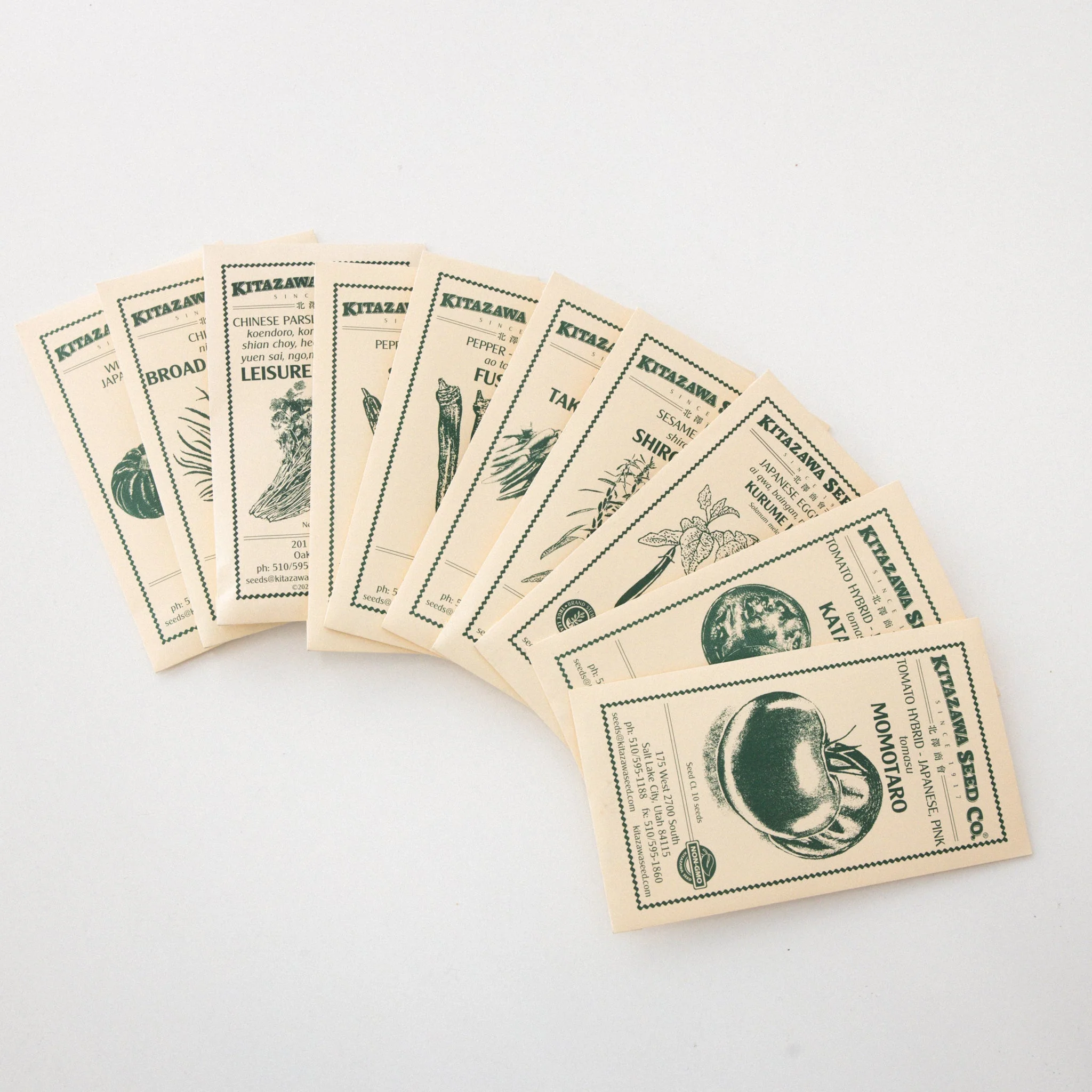
Kitazawa Seeds started as a family business serving Japanese immigrants farming in California. The entire seed line celebrates Japanese heritage, with staple Japanese cuisine herbs and vegetables and traditional packaging. See below for more information about specific vegetables and planting instructions.
Variation:
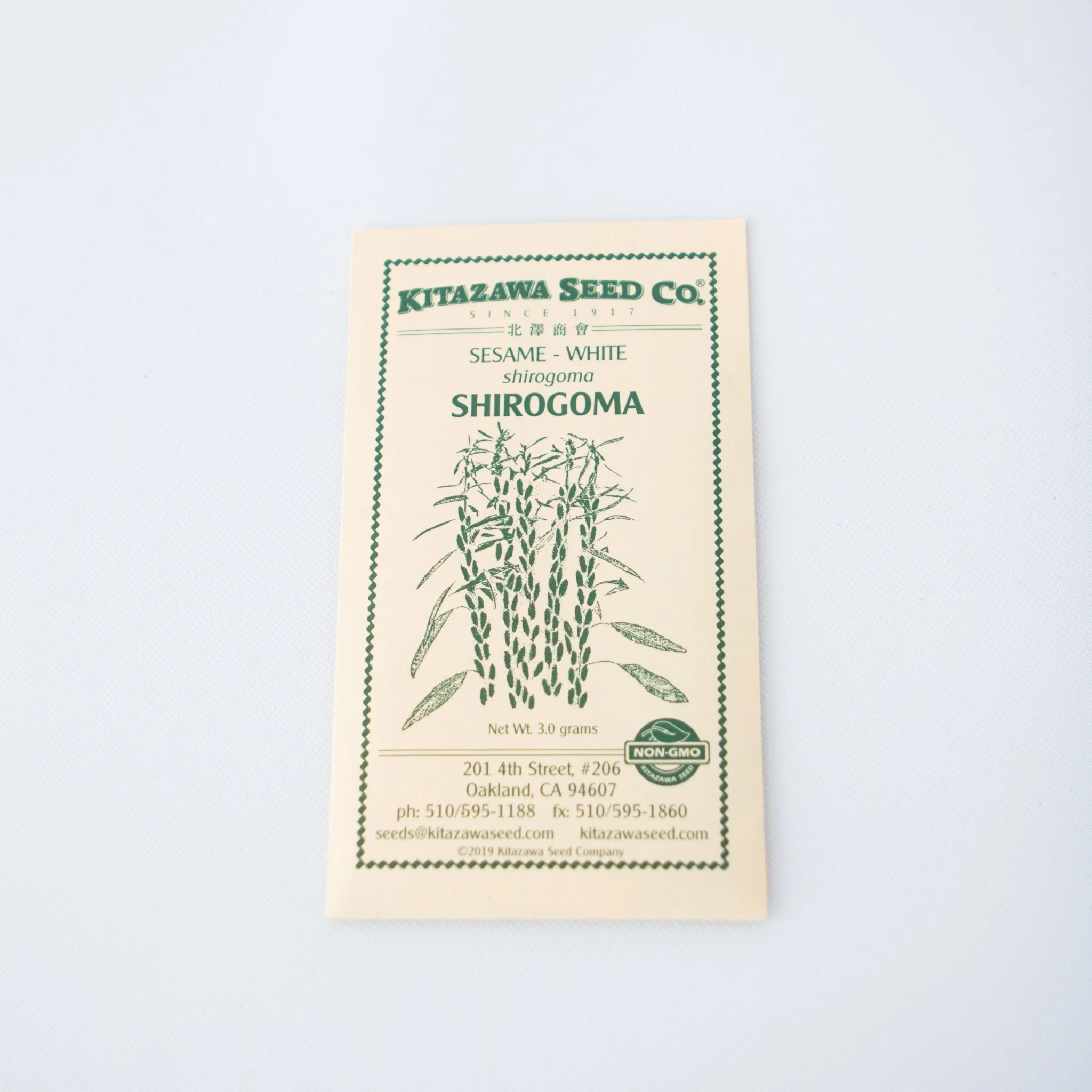
Shiro Goma White Sesame: Flavorful seeds - easy to grow in warm weather with a long growing season after indoor germination.
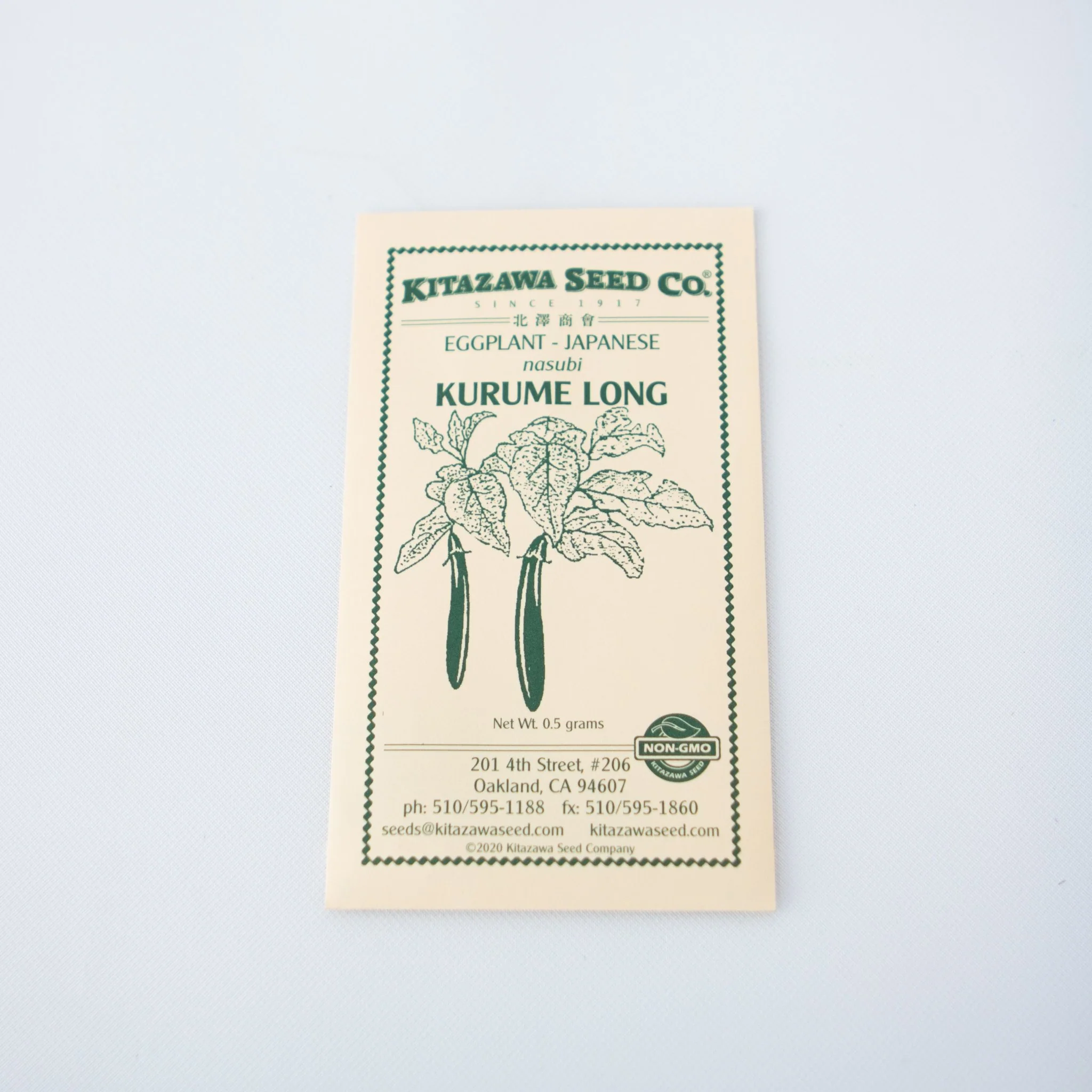
Kurume Long Nasu Eggplant: Shiny, black eggplant with mild, delicate flavor - germinate indoors and transplant to soil above 70 degrees in a warm, sunny location.
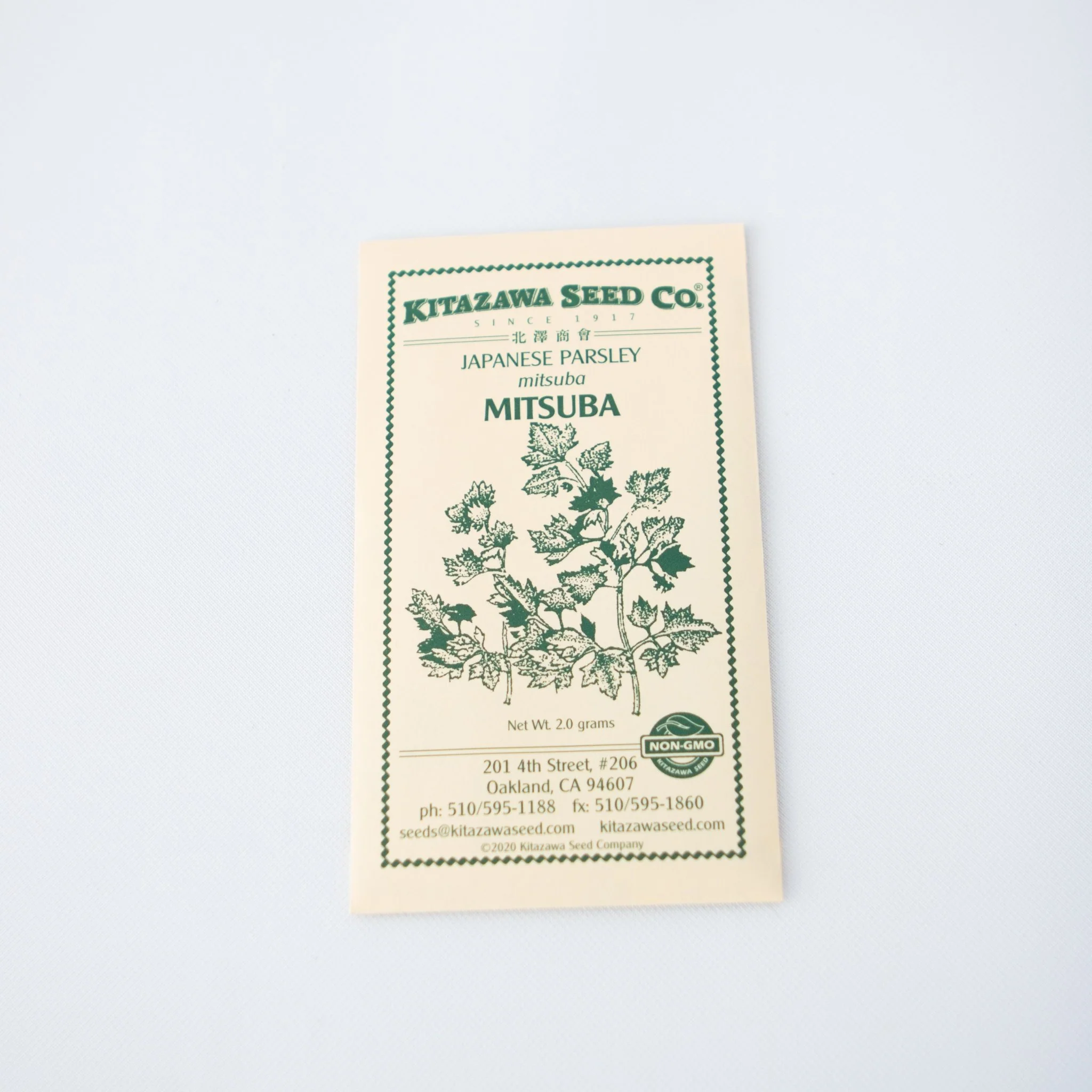
Mitsuba Parsley: Long stalks with aromatic, trefoil leaves - grows best in moist, shaded areas and mild climates.
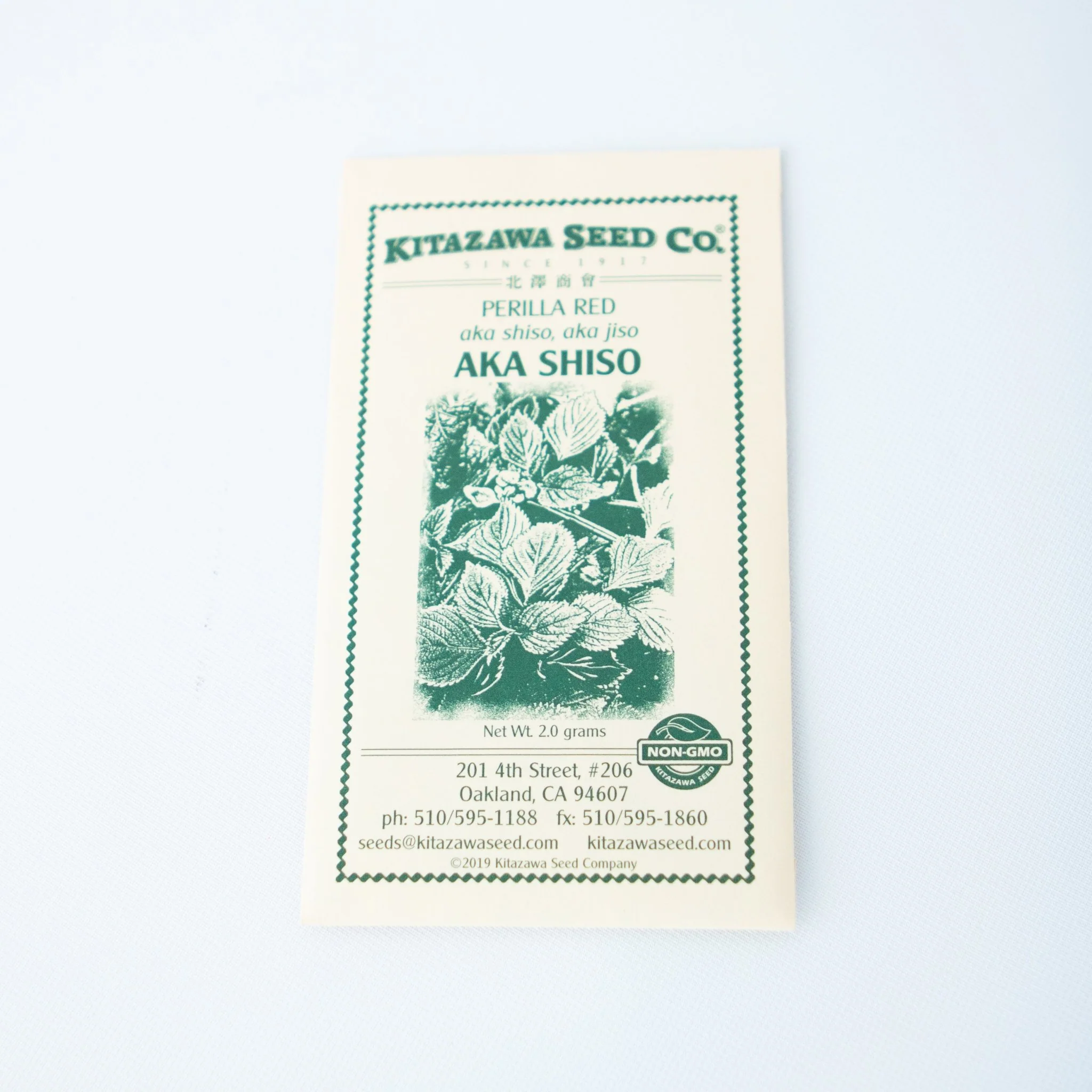
Aka Shiso: Herb with refreshing, aromatic red frilled leaves - sow in spring/summer in a warm, sunny location - heat tolerant and prefers full sun!
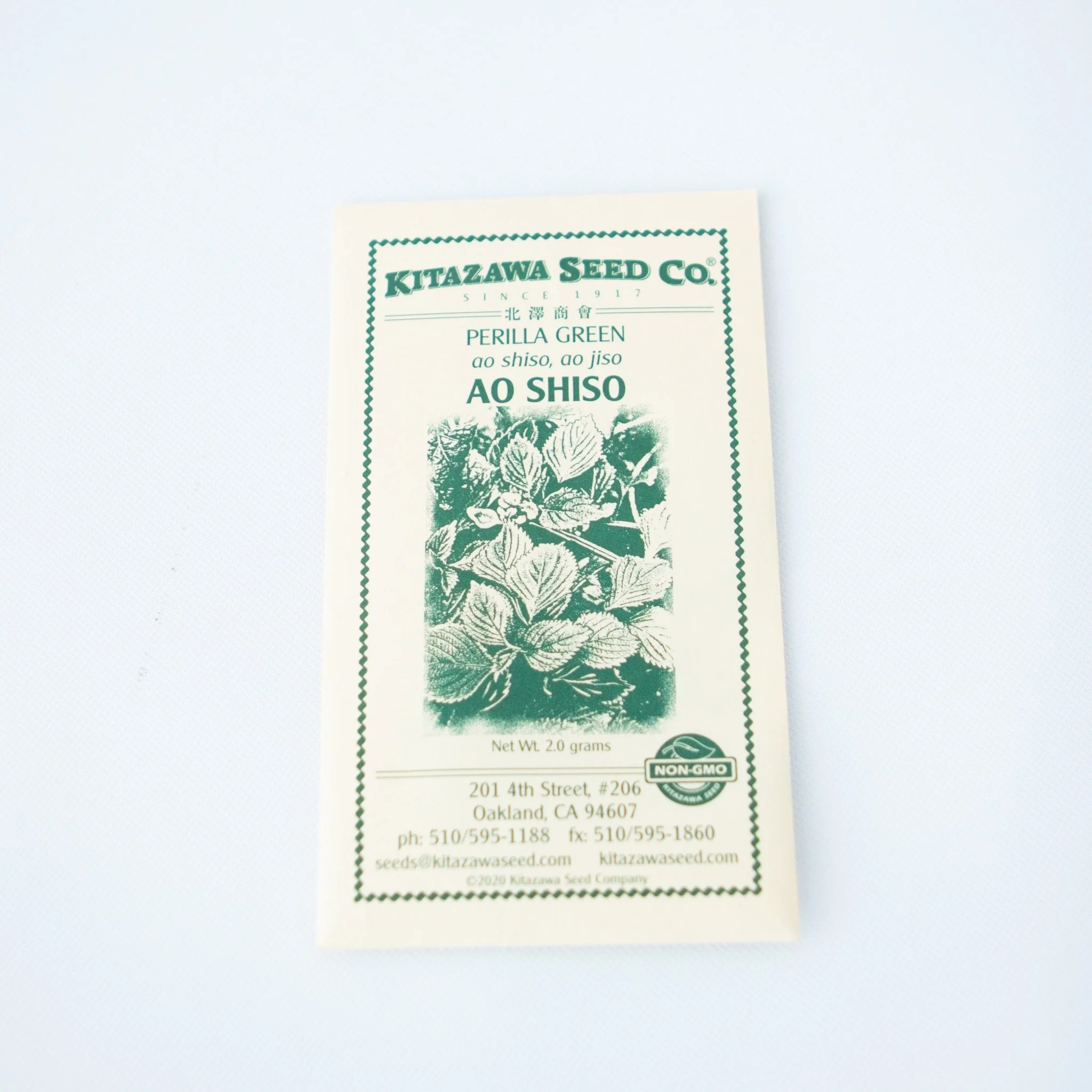
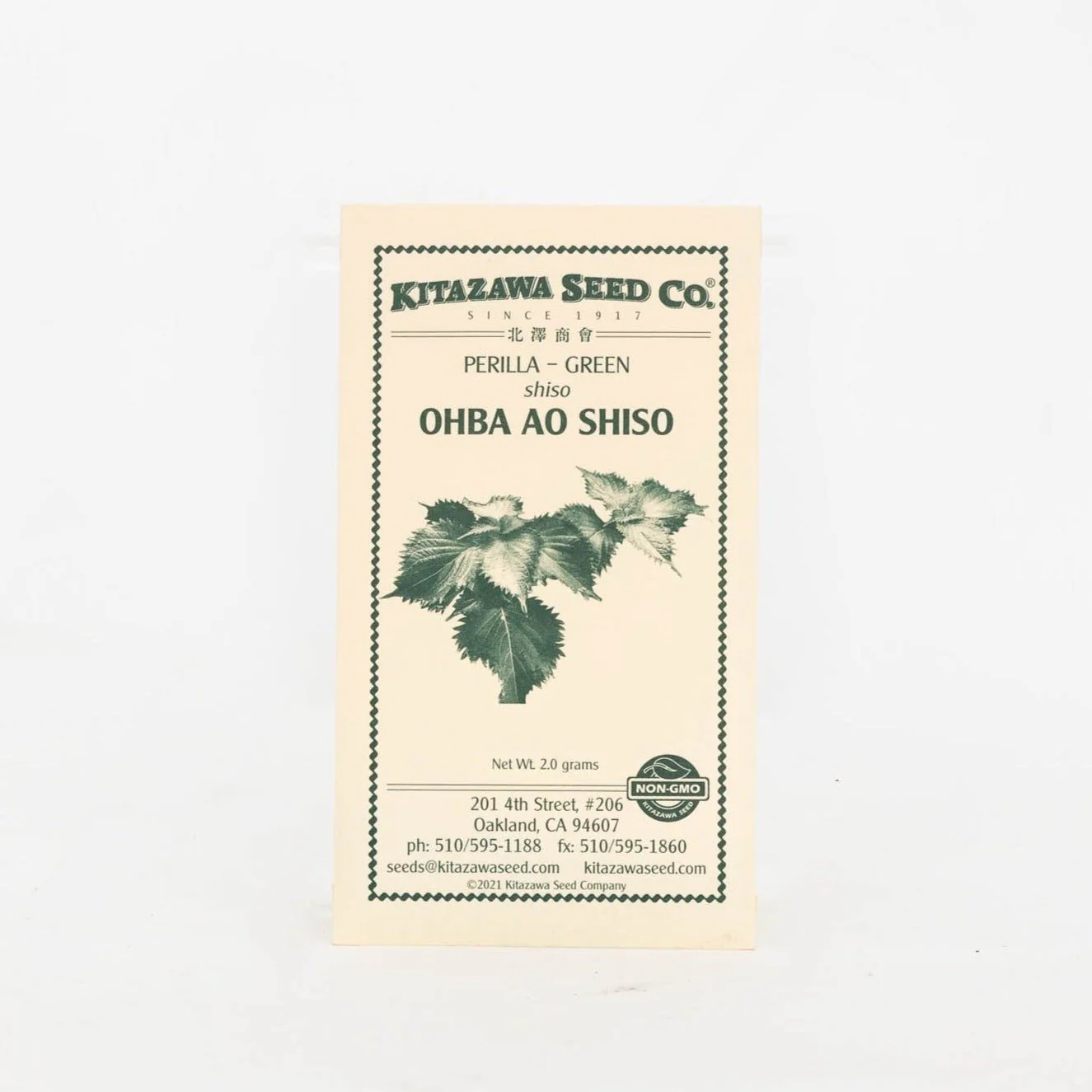
Ohba Shiso: Refreshing traditional Japanese herb that are used in sushi wrap, tempura, and salad mix.
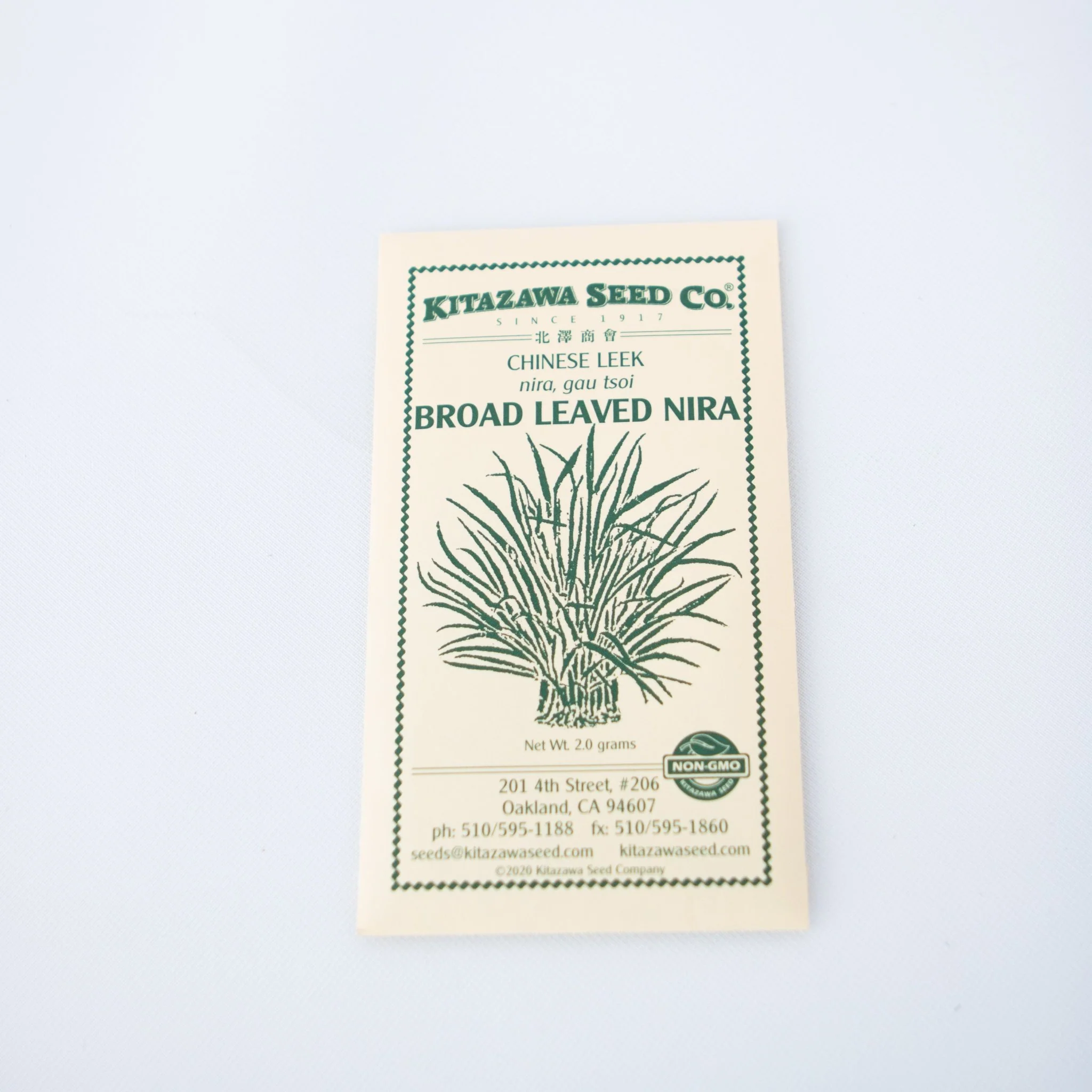
Nira Broad Leaved Leek: Leeks with green, broad, thick leaves and garlic-onion flavor - tolerant to both heat and cold, can thrive in a variety of climates.
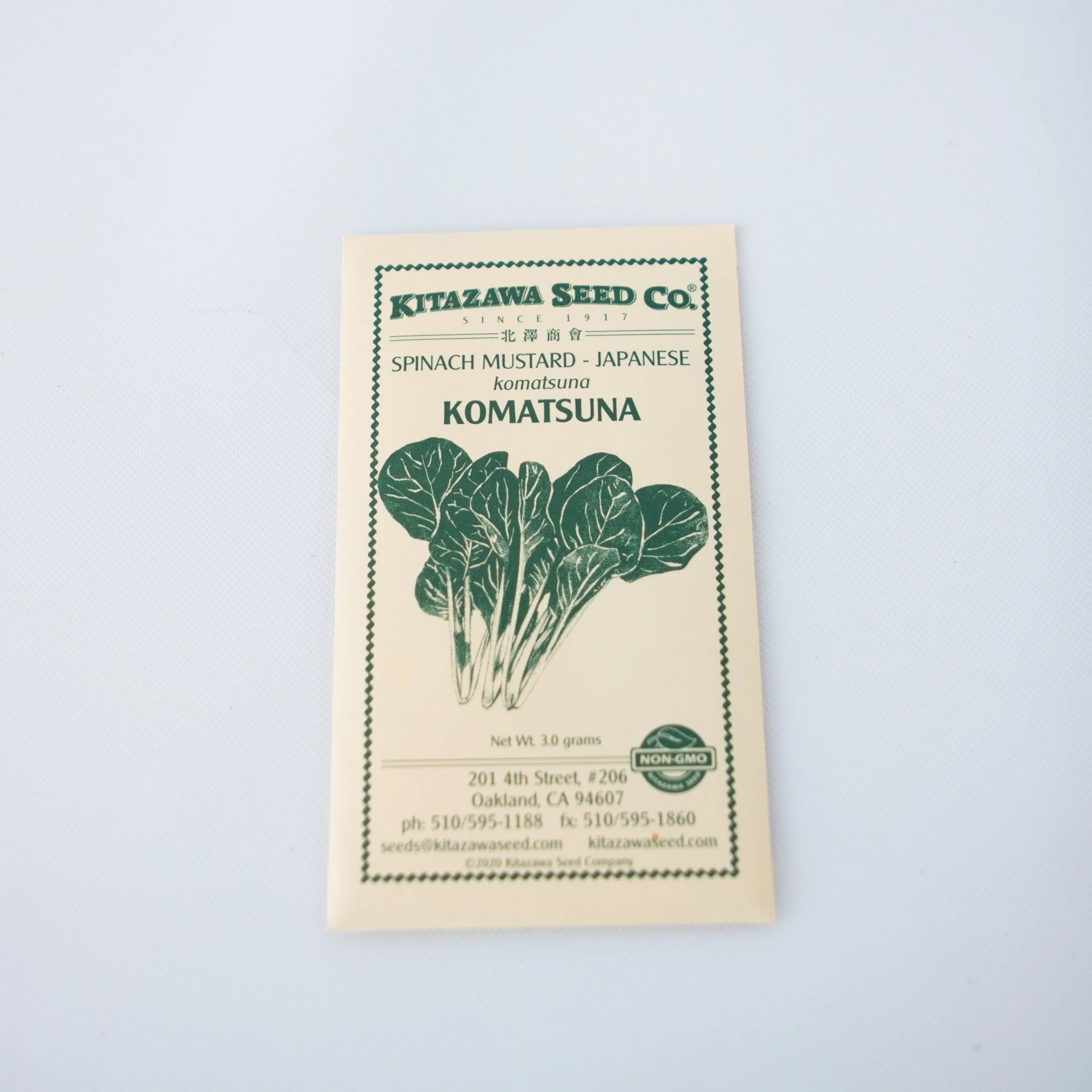
Komatsuna: Leafy green with a mild flavor that resembles spinach - prefers mild and cool temperatures.
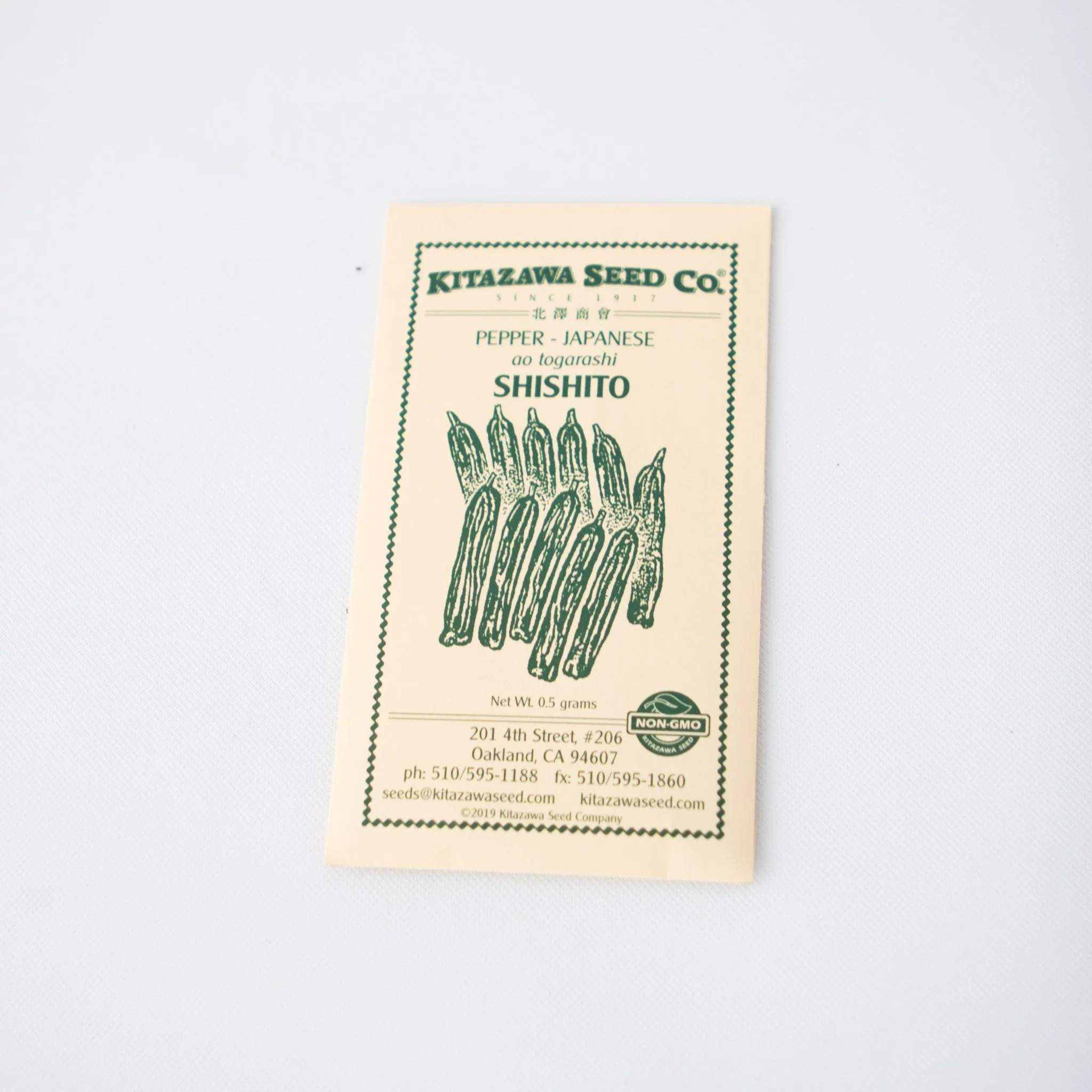
Shishito Pepper: Small, sweet, thin-walled glossy green pepper - transplant from indoor germination in warm and sunny locations.
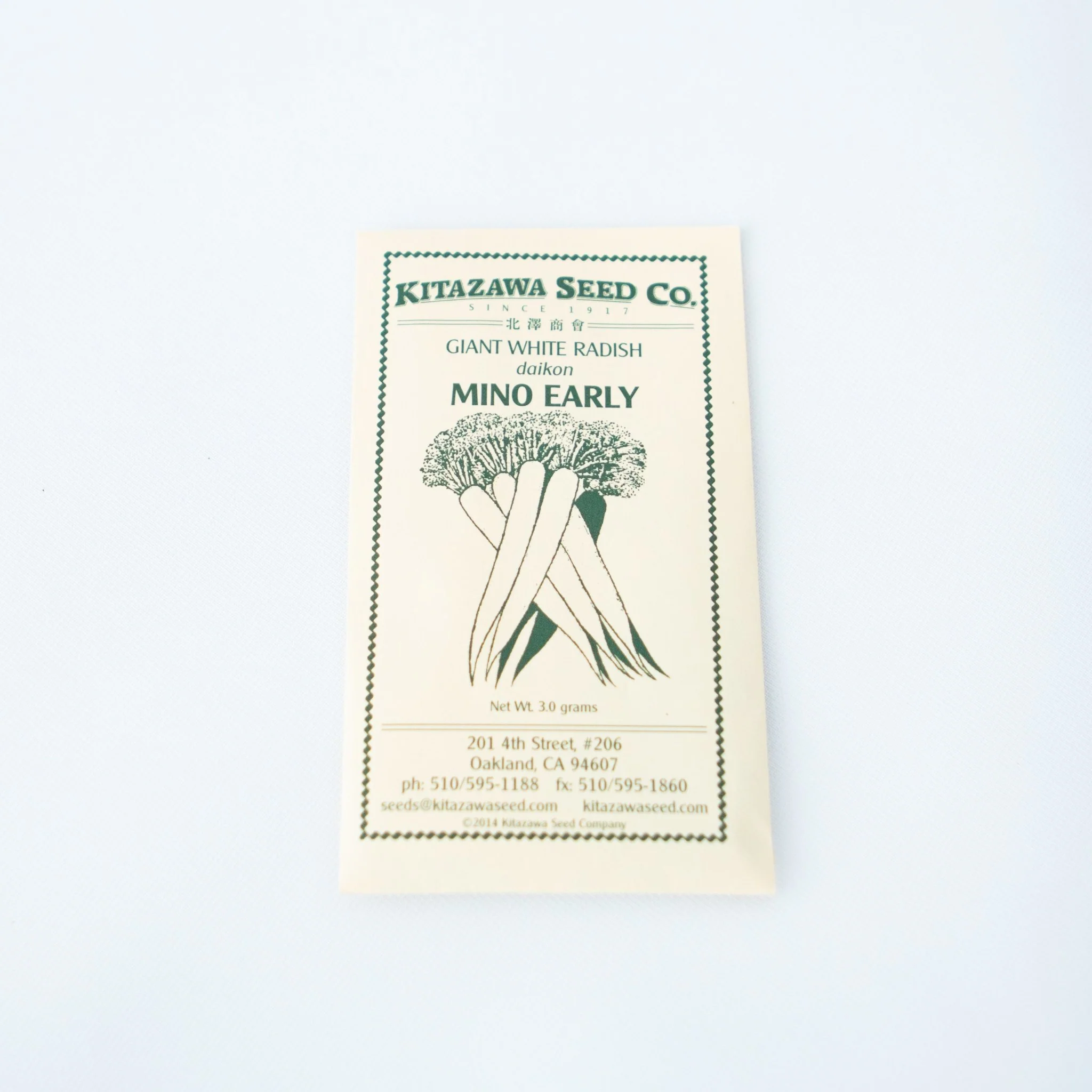
Mino Early Daikon Radish: White, crisp root with mild pungency - sow seeds in late spring through summer in warm, sunny location.
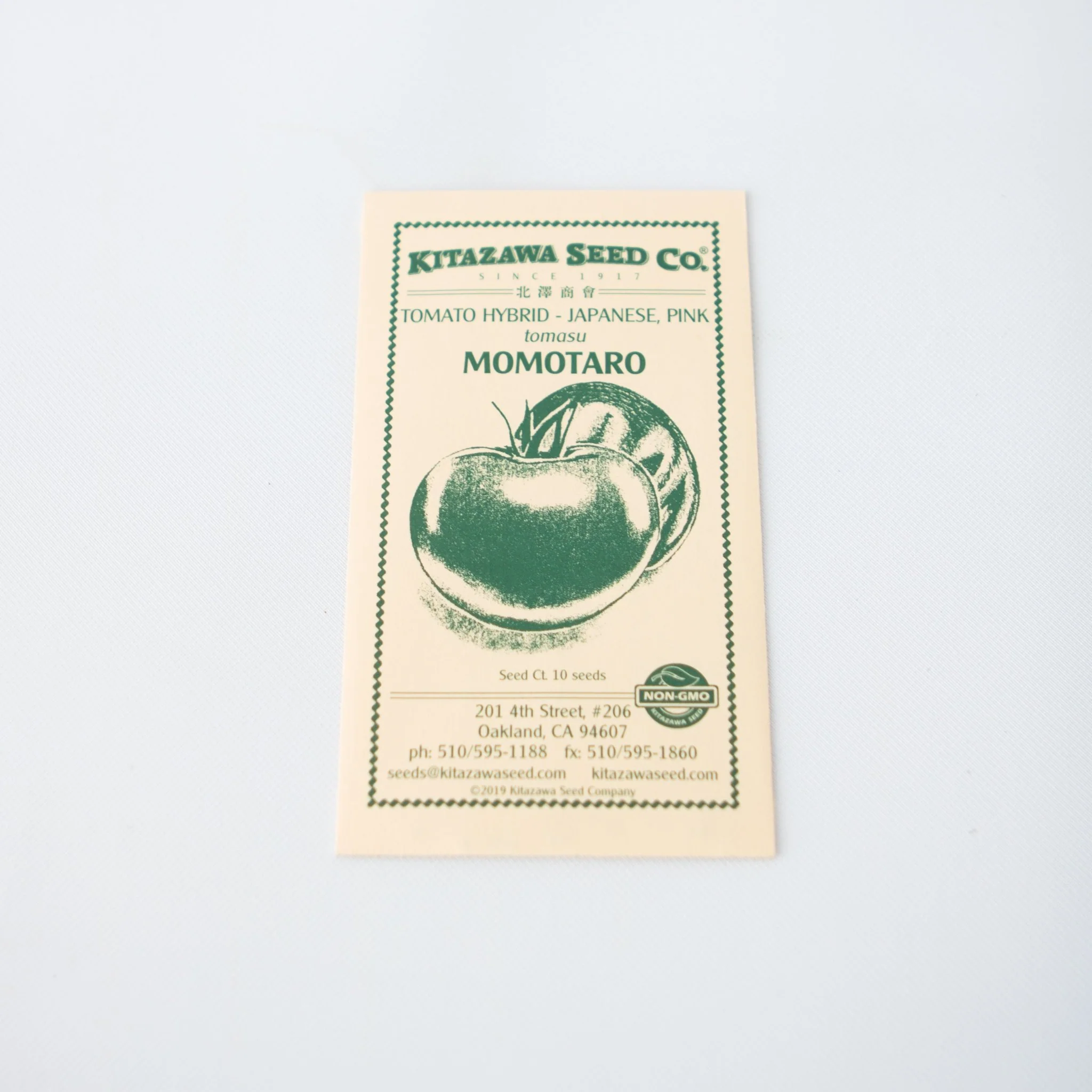
Momotaro Tomato: Deliciously sweet - germinate inside and transplant in late spring/summer in warm and sunny location.
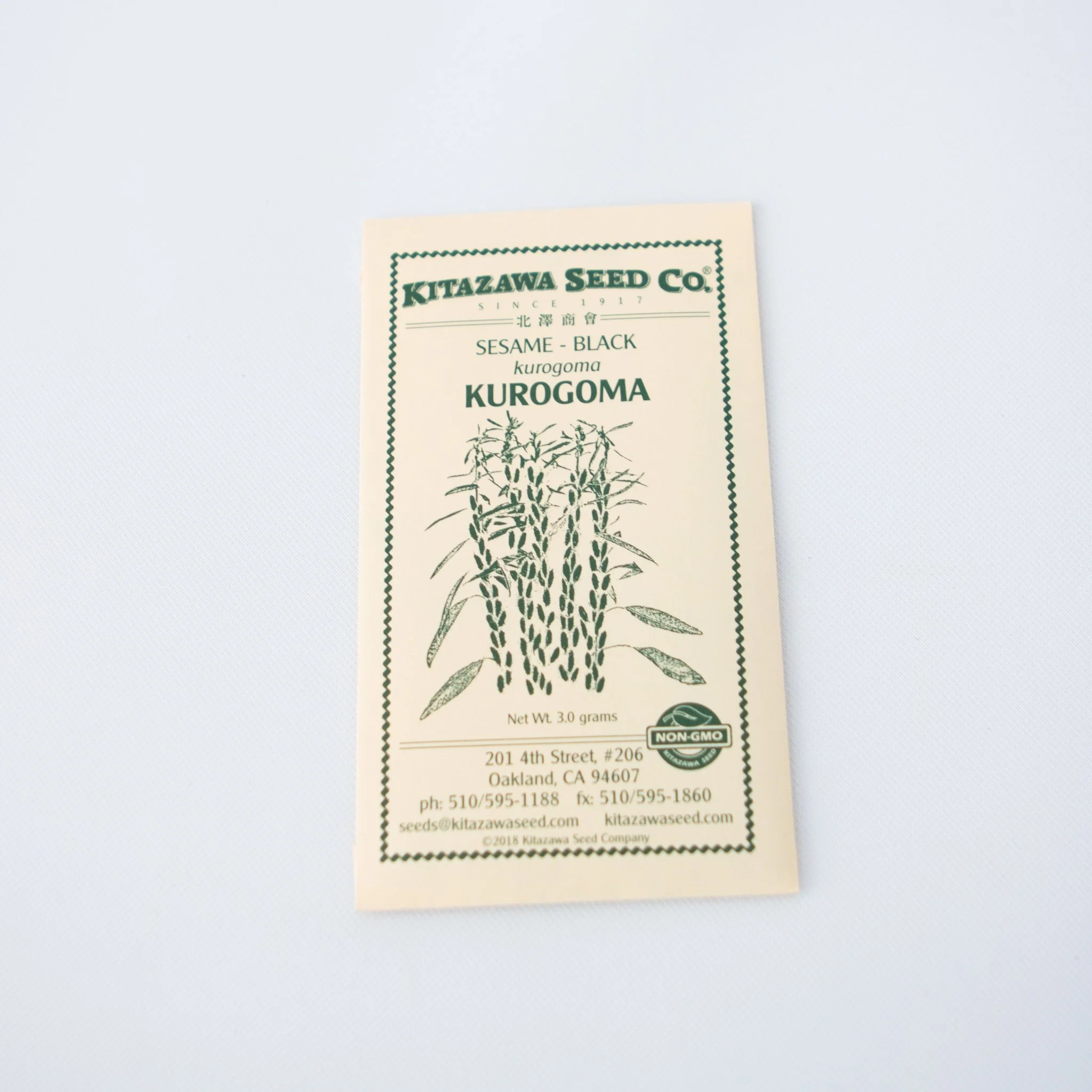
Kuro Goma Black Sesame: Flavorful, black seeds - grows best in hot weather after indoor germination.
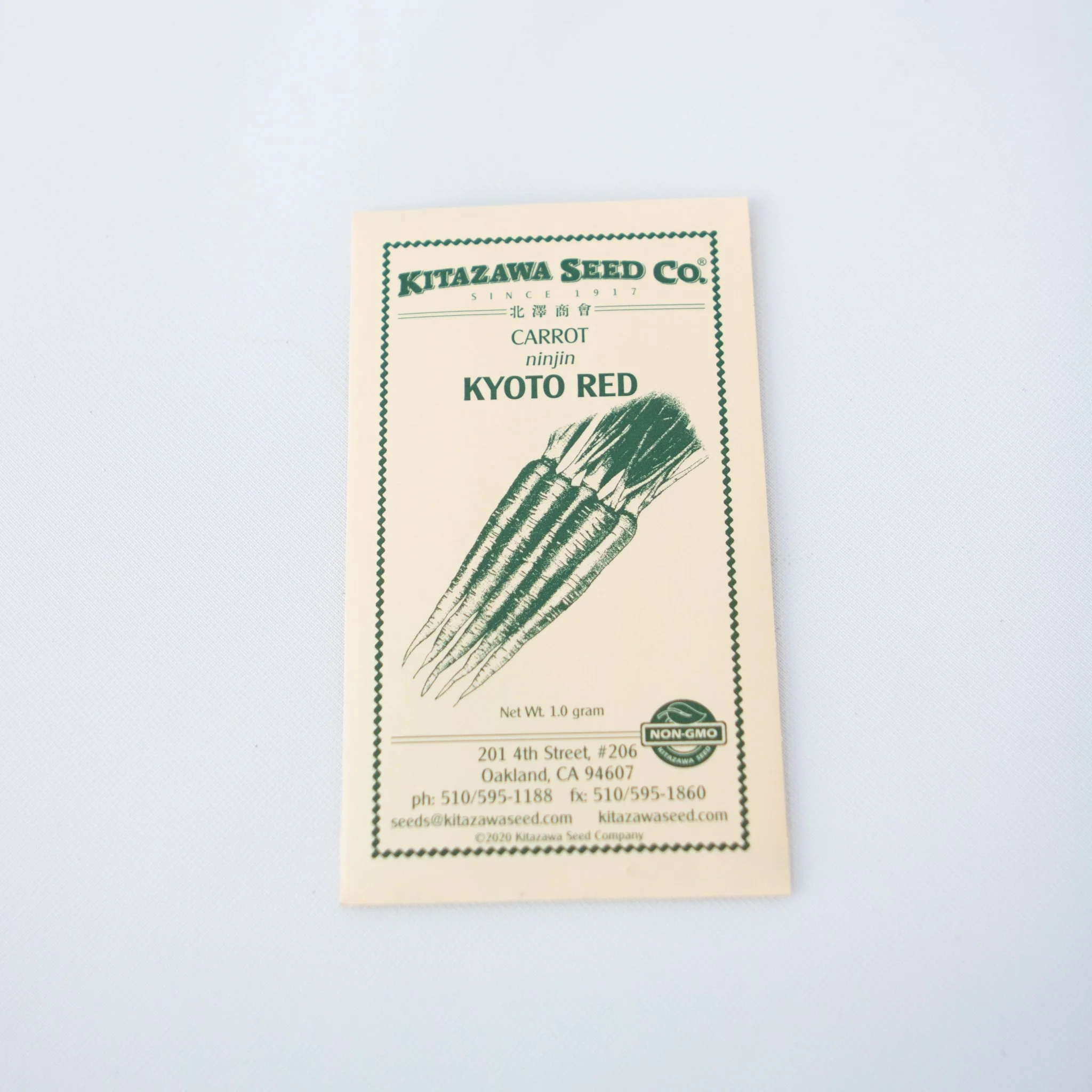
Kyoto Red Carrot: Sweet and tender carrots with a dark red color - sow seeds in late summer/early fall.
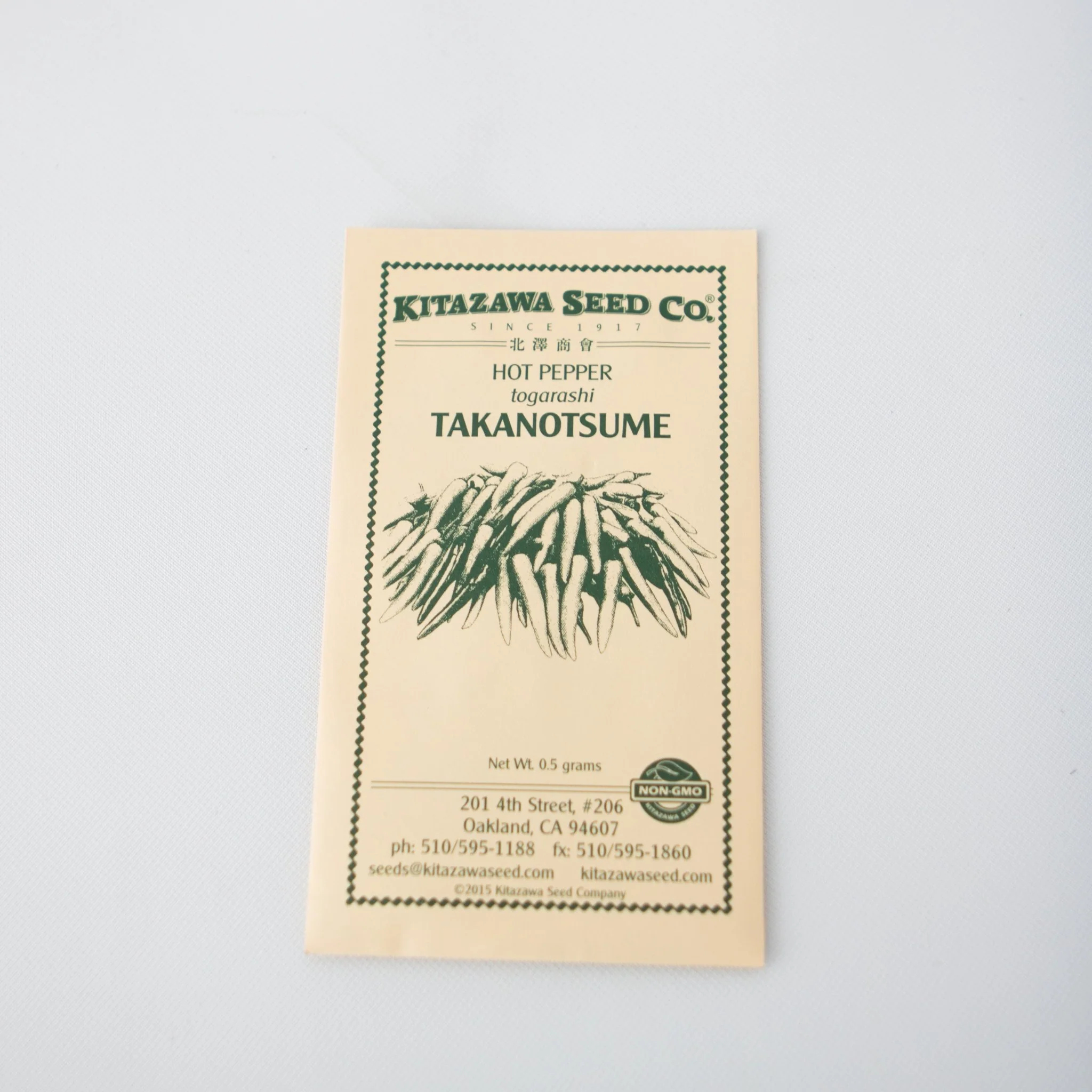
Takanotsume Red Pepper: Talon shaped very hot specialty pepper - germinate indoors and transplant in late spring/summer in warm and sunny locations.
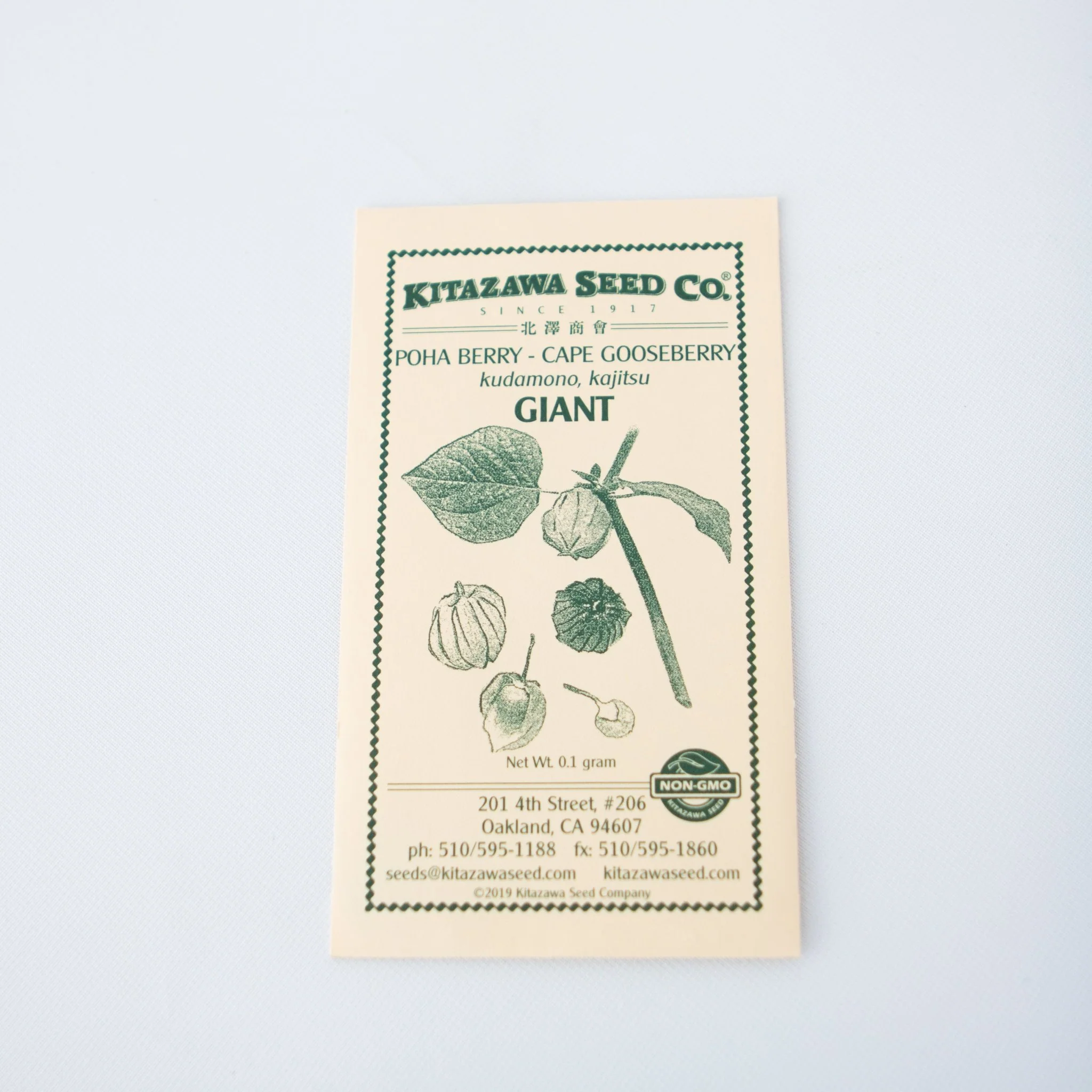
Giant Hozuki: Poha Berry that is very popular in Hawaii, fuzzy leaved bush that produces 1” berries with smooth, waxy orange skin and tangy pineapple/strawberry flavor - germinate indoors and plant in a warm, sunny location in late spring.
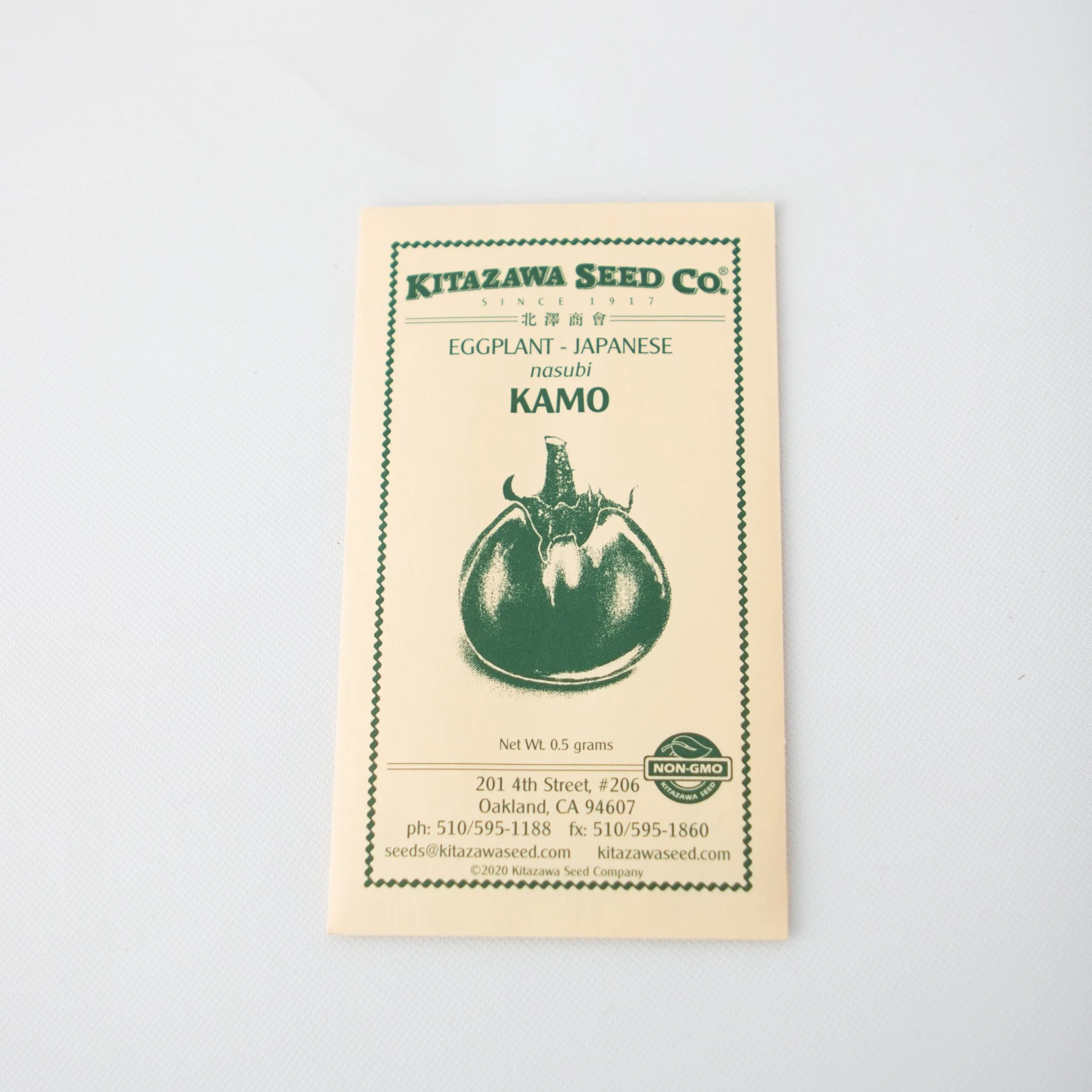
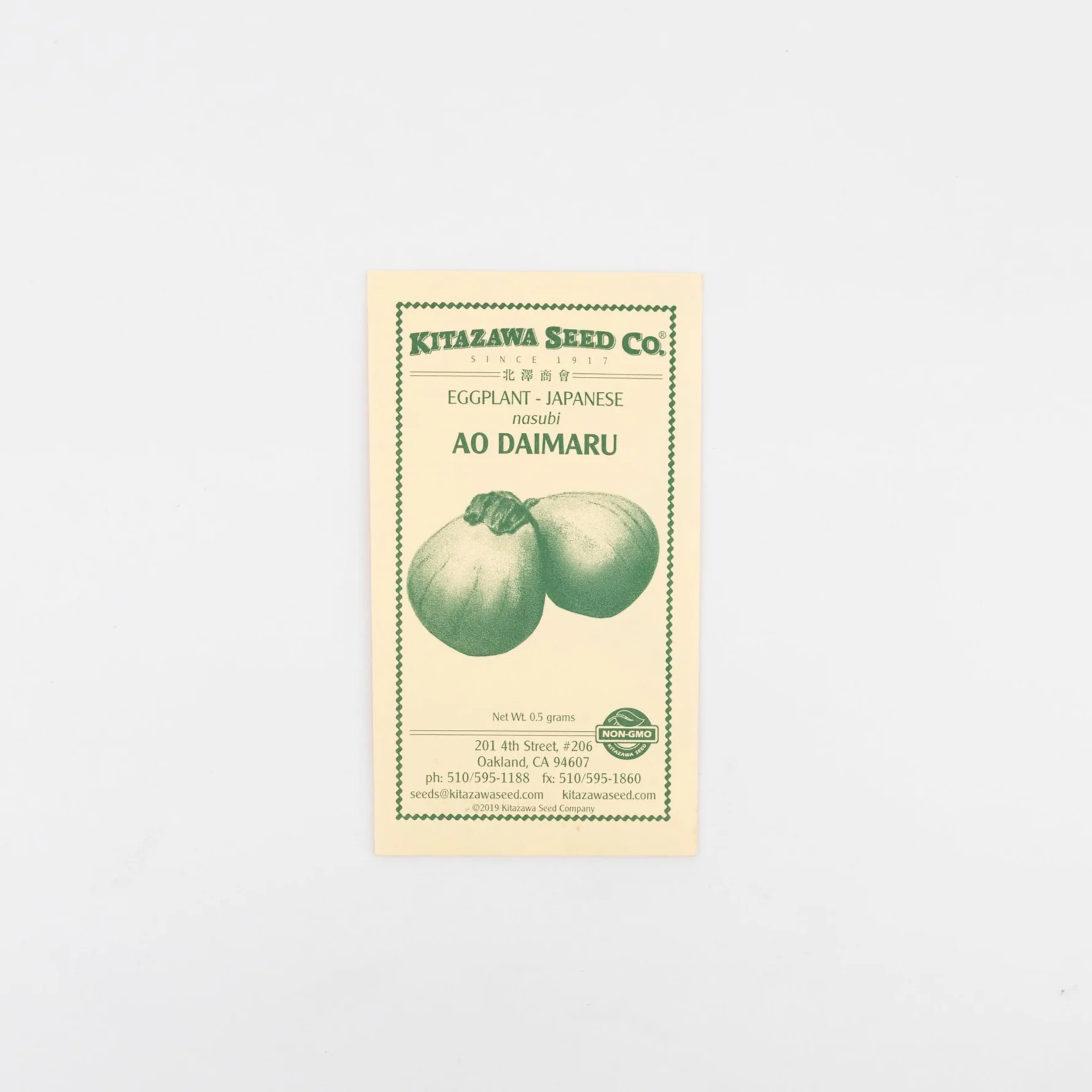
Kamo Japanese Eggplant: Purple-black, round eggplant with dense flesh and rich flavor - germinate seeds inside and transplant in late spring when temperatures stay above 60 degrees.
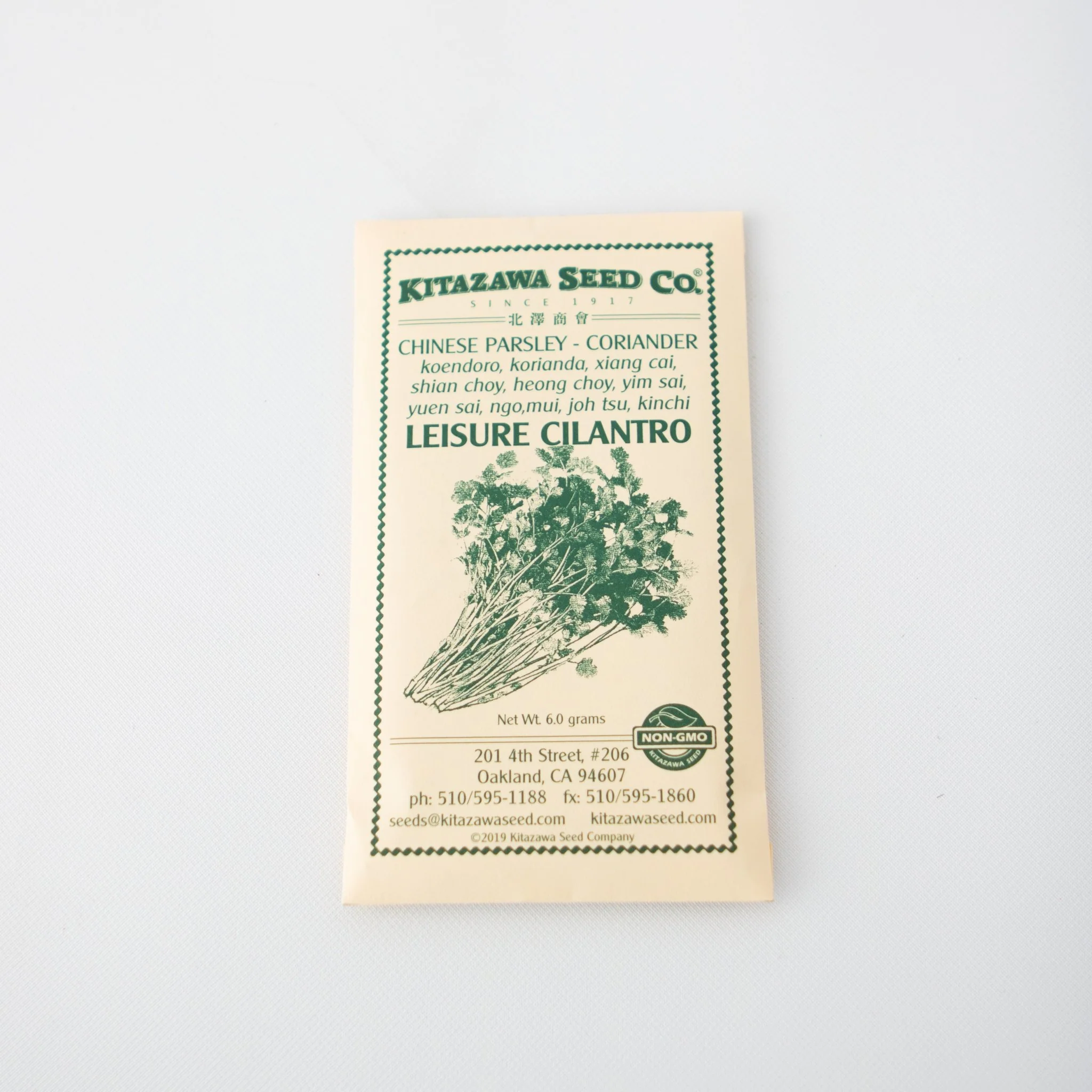
Leisure Cilantro: Aromatic, zesty herb - prefers cool temperatures.
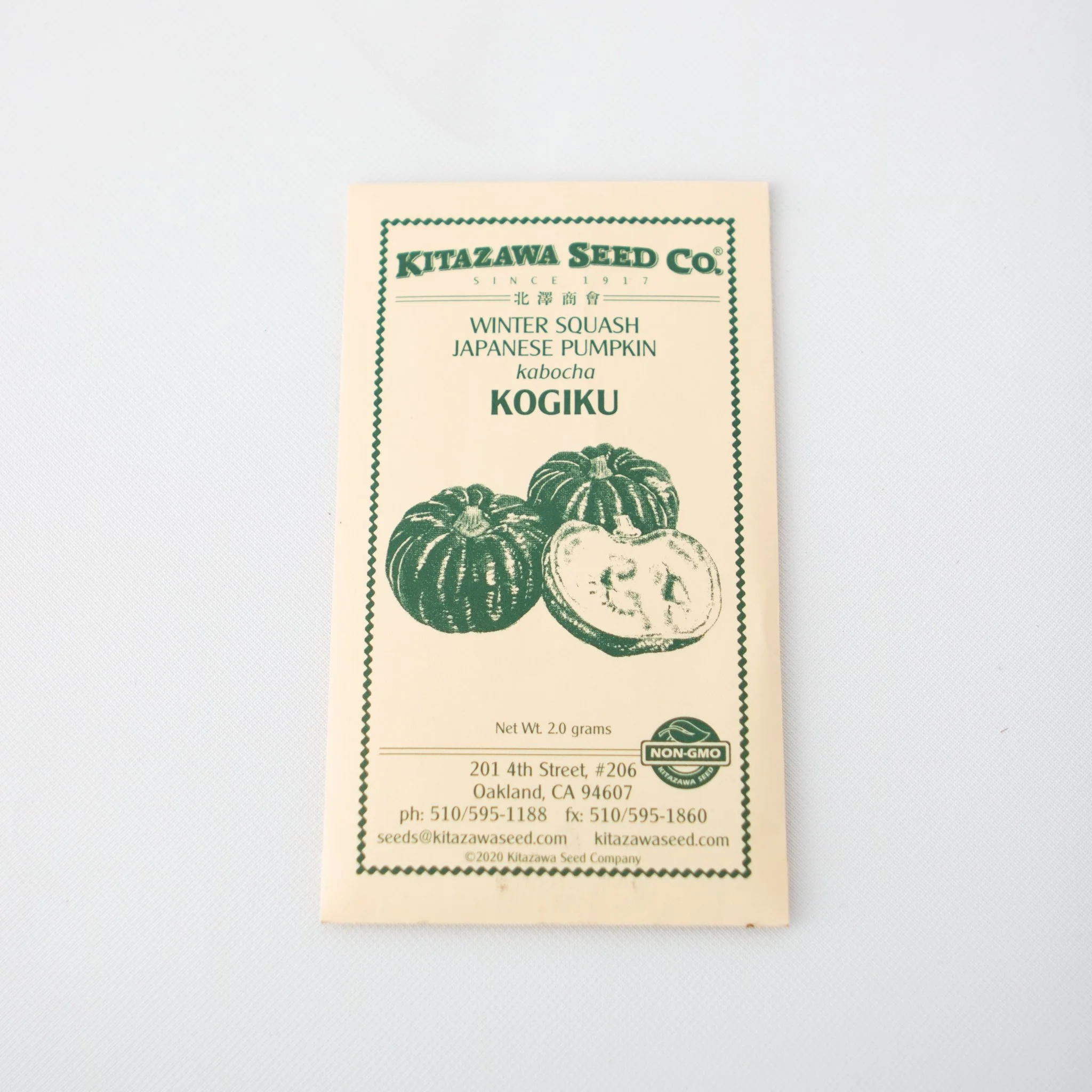
Kogiku Kabocha Squash: Large Japanese pumpkin - sow seeds in late spring/early summer in warm, sunny locations.
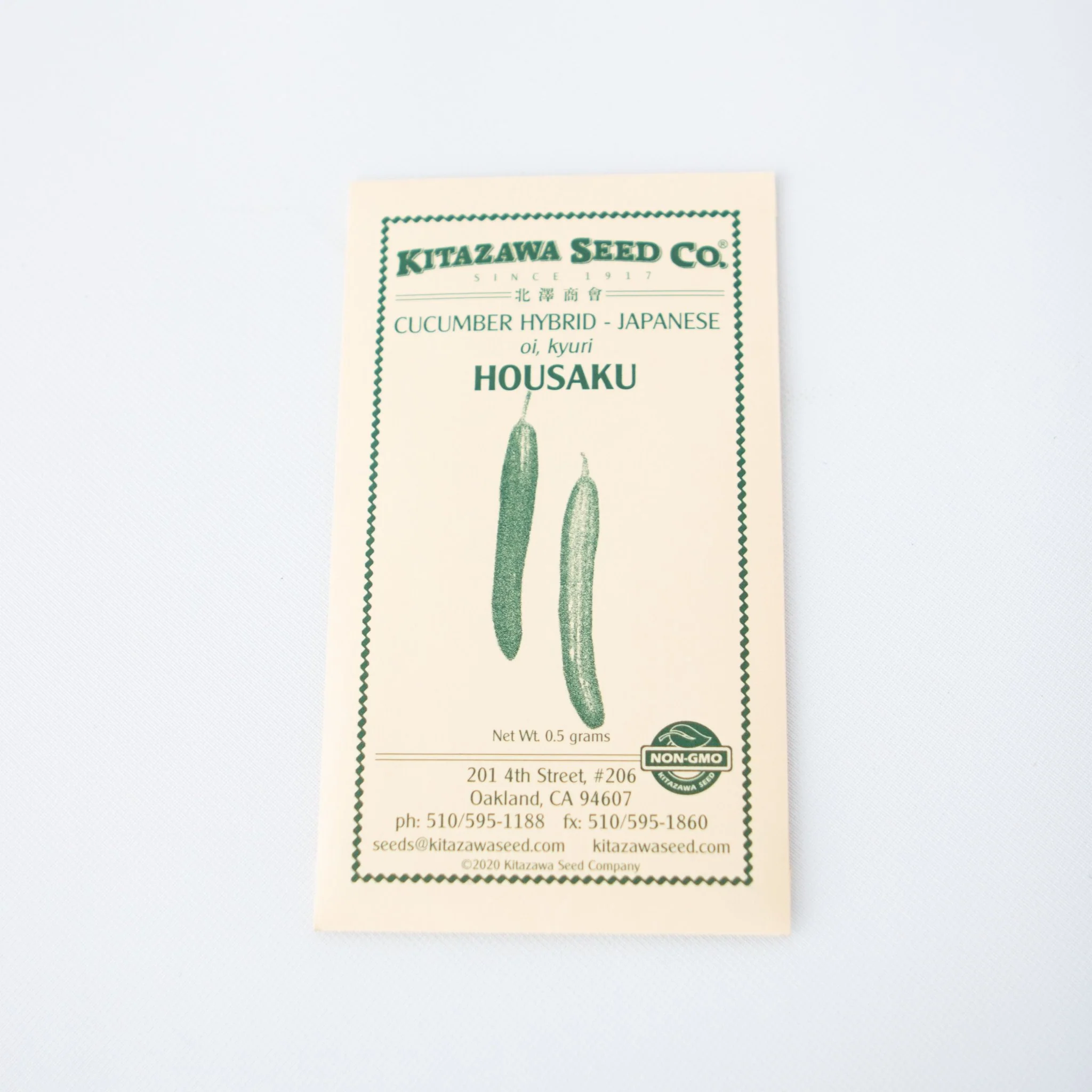
Housaku Hybrid Cucumber: Very productive cucumber with dark green coloring and good flavor - sow seeds in late spring/early summer in a warm, sunny location.
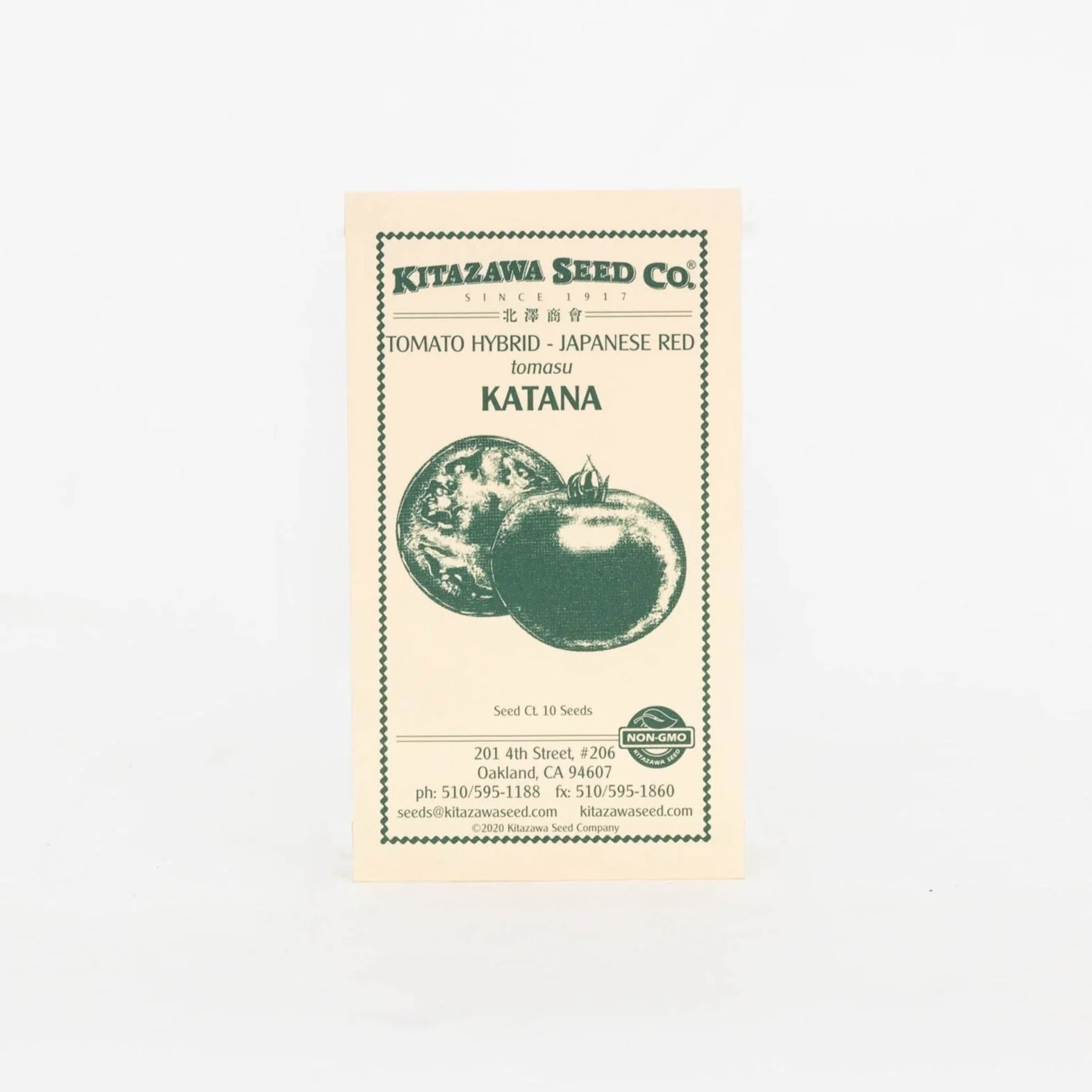
Katana Tomato:Consistent producer of uniform, firm beefsteaks - germinate indoors and transplant in late spring/summer in a warm and sunny location.
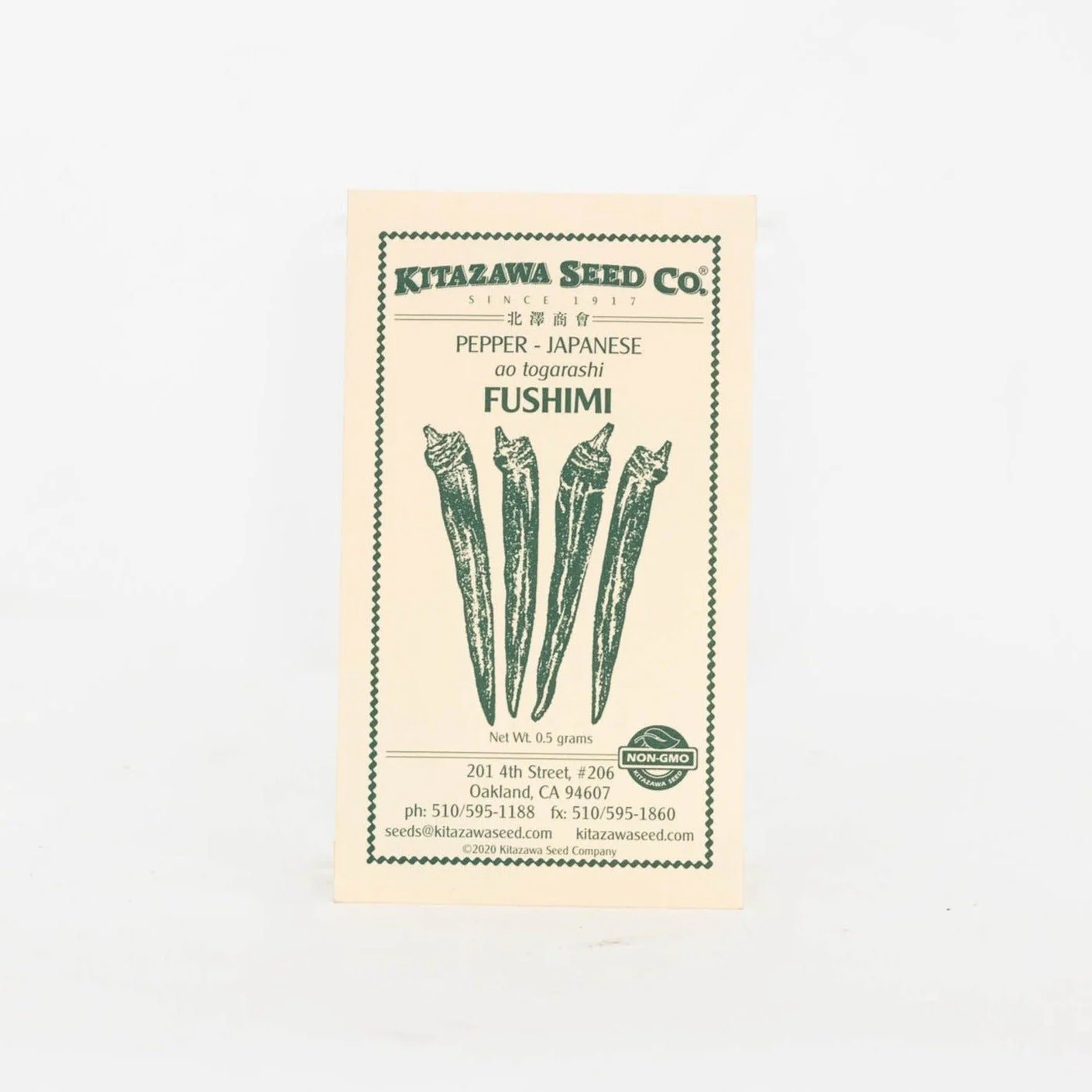
Fushimi Sweet Pepper:Traditional Japanese pepper that is slender, thin-skinned, and glossy bright green - germinate indoors and transplant in late spring/summer in a warm and sunny location.
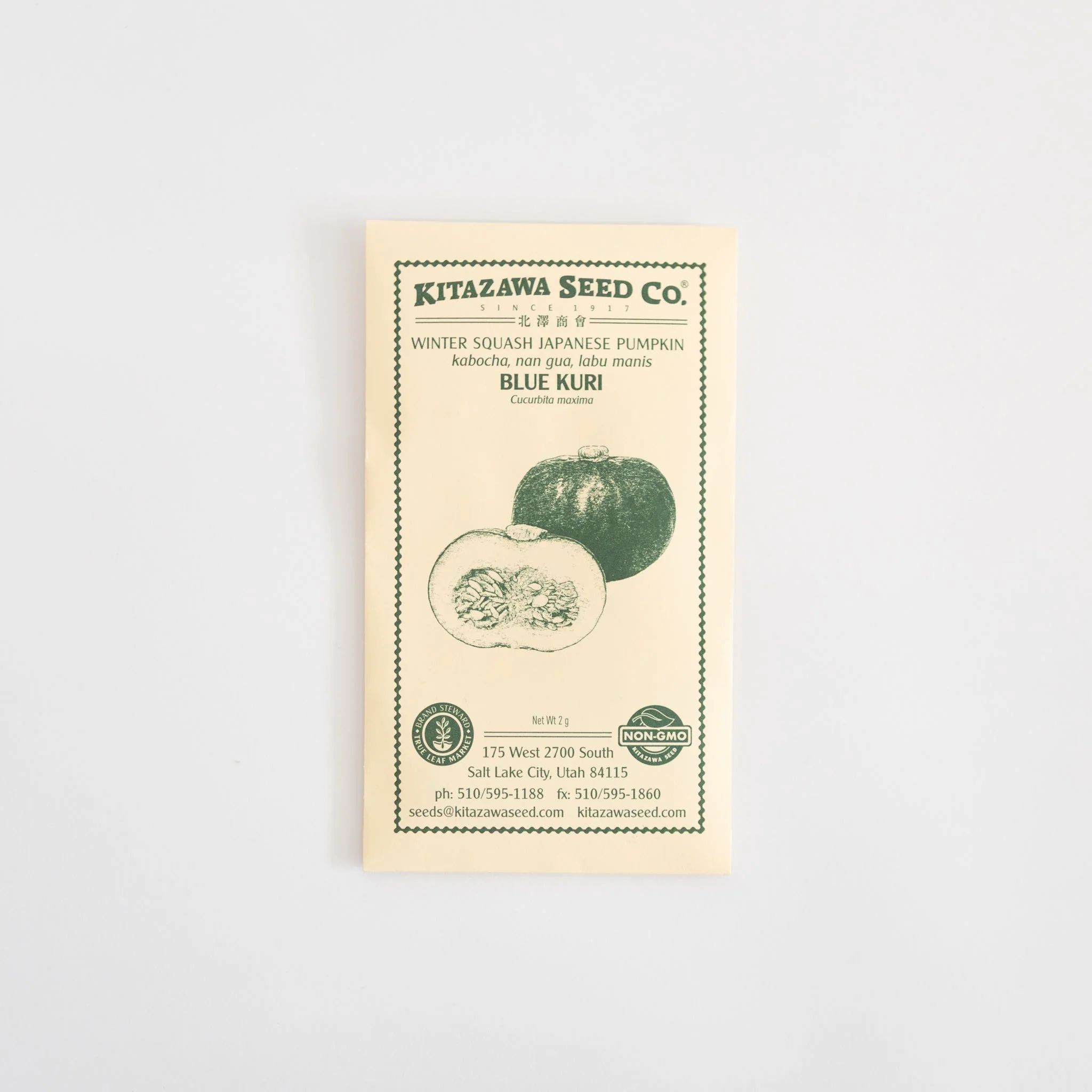
Blue Kuri:Heirloom Japanese kaboch squash. A globe shaped squash that matures to 2-3 lbs and 6-8 in in diameter. Sow seeds in late spring/summer afte last frost in a sunny location. Leave in sun for a few days after harvest for curing, then store.
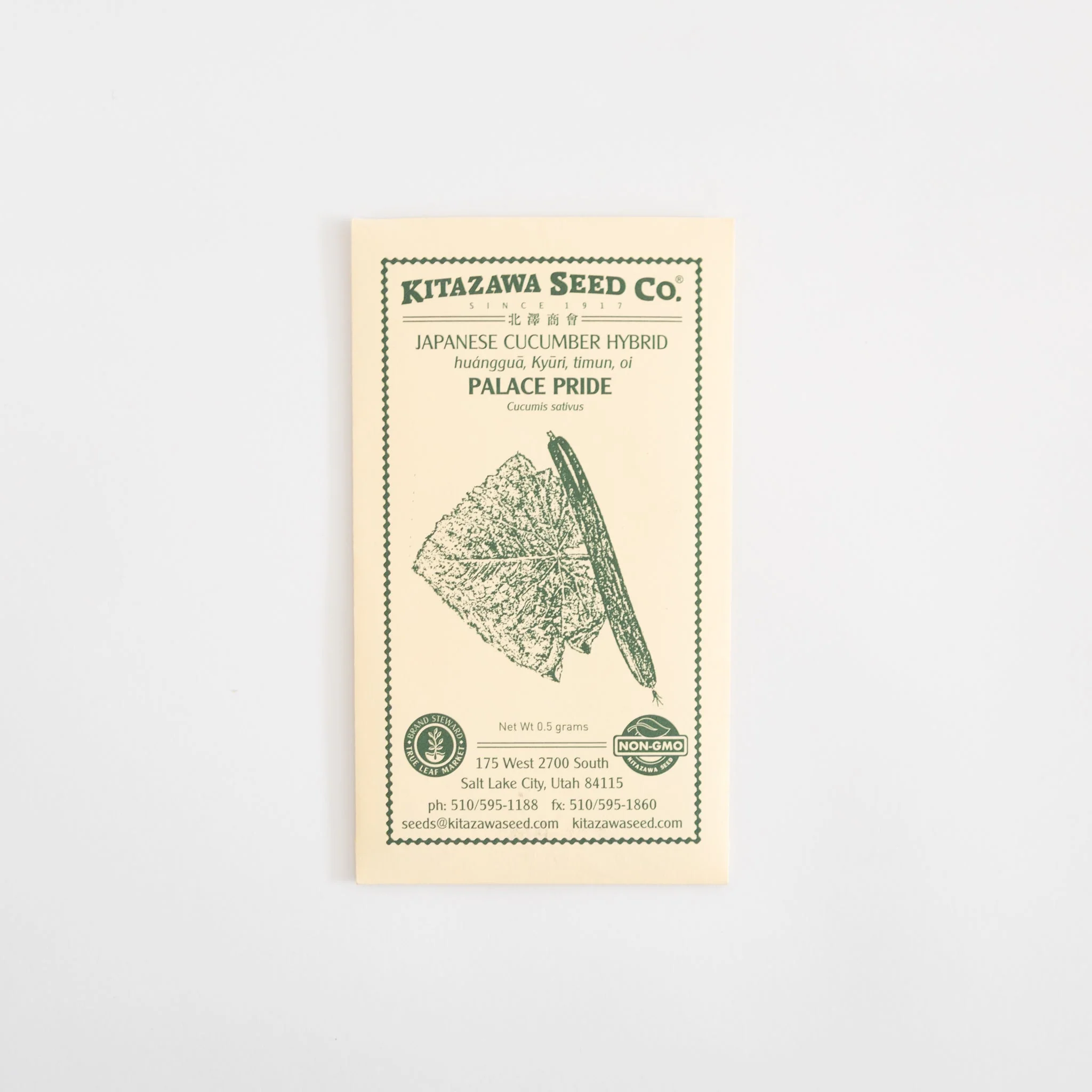
Palace Pride Japanese Cucumber:Up to 10 inch long cucumbers with glassy dark green skin and defined ridges. Yields a crisp flesh, small seed cavity and a sweet flavor. Use fertile well drained soil in a warm sunny location. A trellis can improve air circulation and help produce straighter fruits.
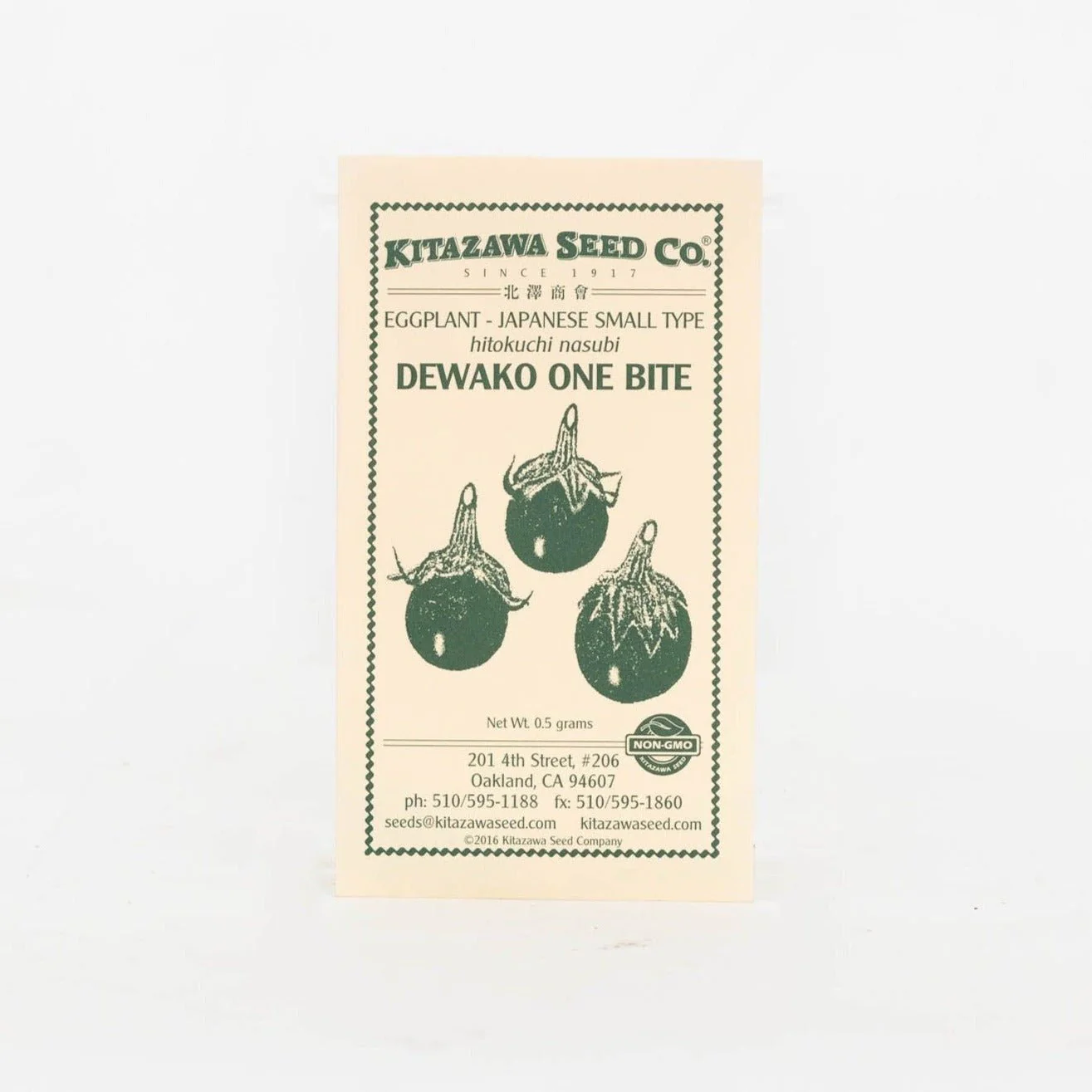
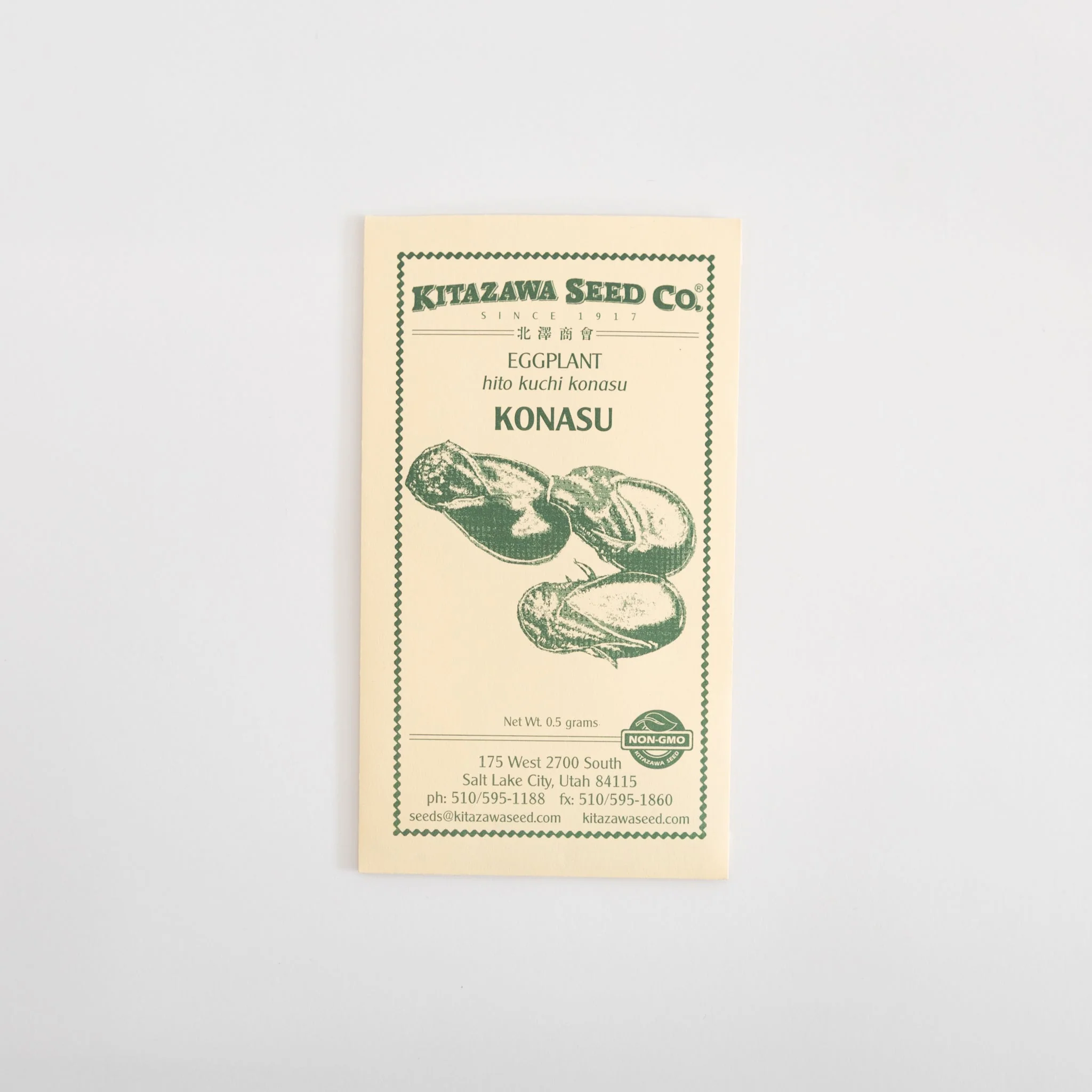
Konasu Eggplant:A tiny bite sized rounded eggplant with shiny dark purple skin and white flesh beneath. Staret seed 6 weeks before last frost. Keep soil warm (75-80) until seedlings emerge.
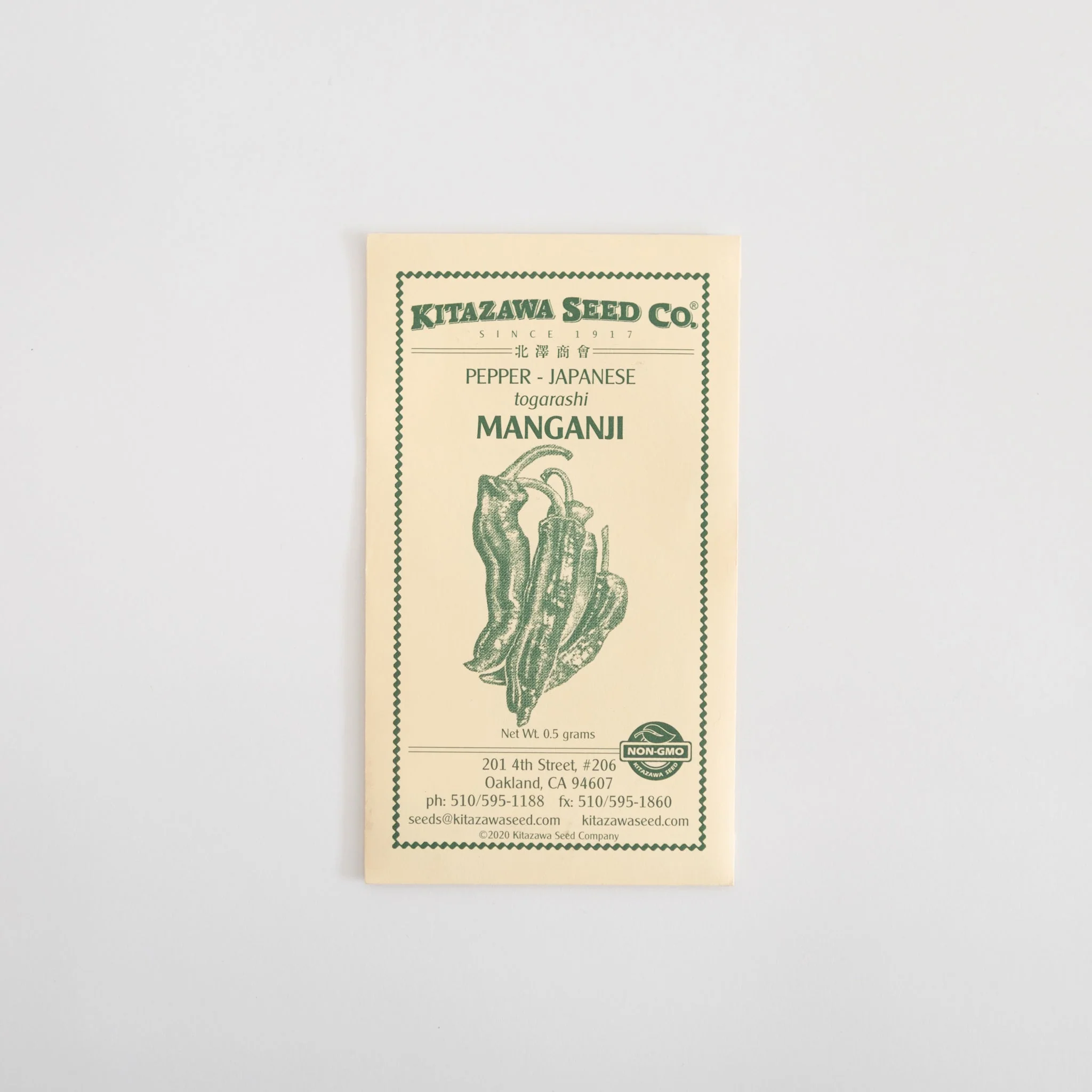
Japanese Pepper Manganji:A specialty vegetable from Kyoto, Japan. This Japanese pepper has a thicker wall than the fushimi and shishito peppers. Fruits average 6 inches long with a mild flavor/not spicy. The pepper skin is shiny with wrinkles toward the end of stem. Start seed 6 weeks before last frost or 8 weeks before expected transplant. Keep soil warm for germination.
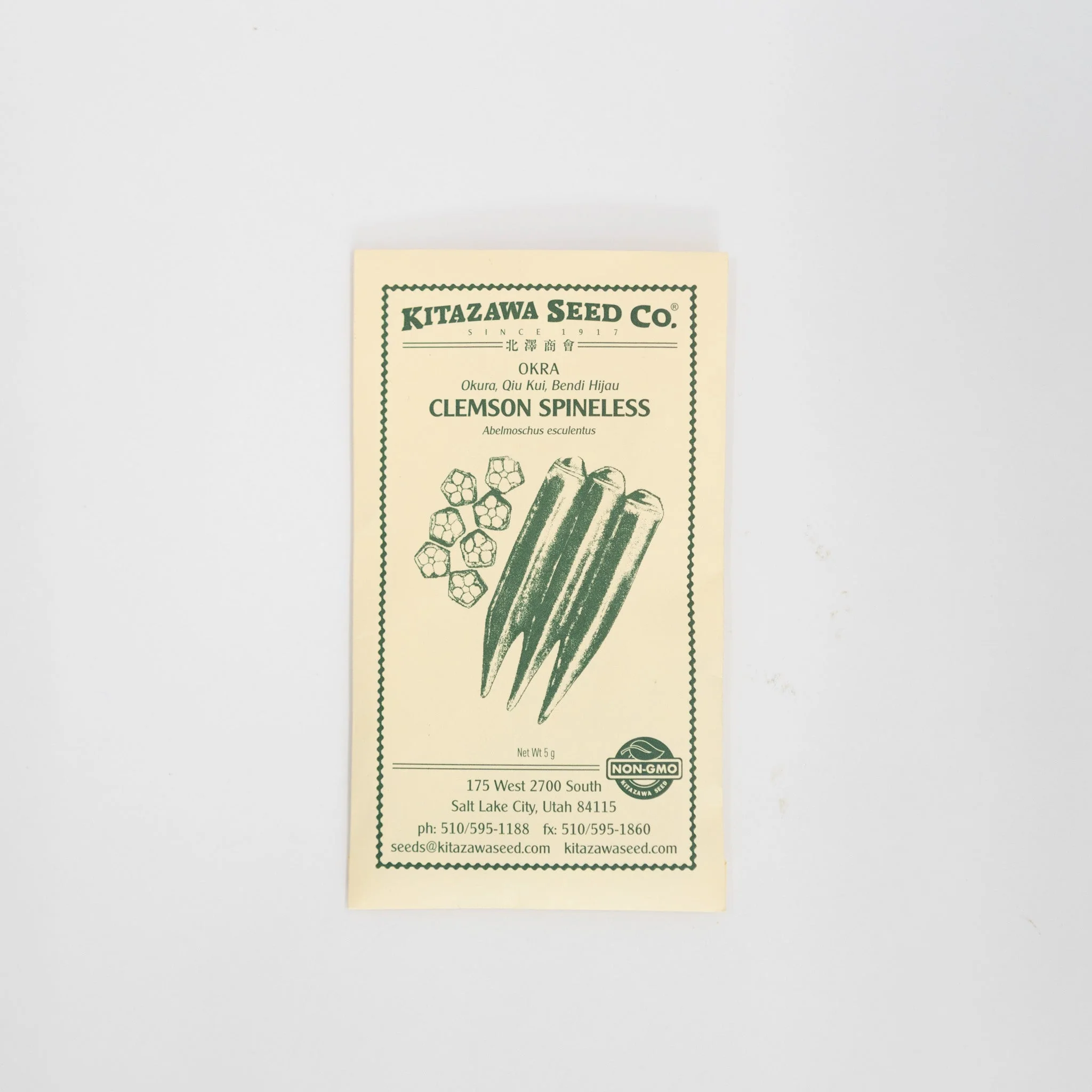
Clemenson Spineless Okra:A classic heirloom variety known for its tender, ribbed green pods and smooth, spineless stems that make harvesting easy. It thrives in full sun and warm soil, growing quickly in well-drained, fertile ground with consistent moisture. Harvest pods at 3–4 inches long to keep them tender and encourage continuous production.
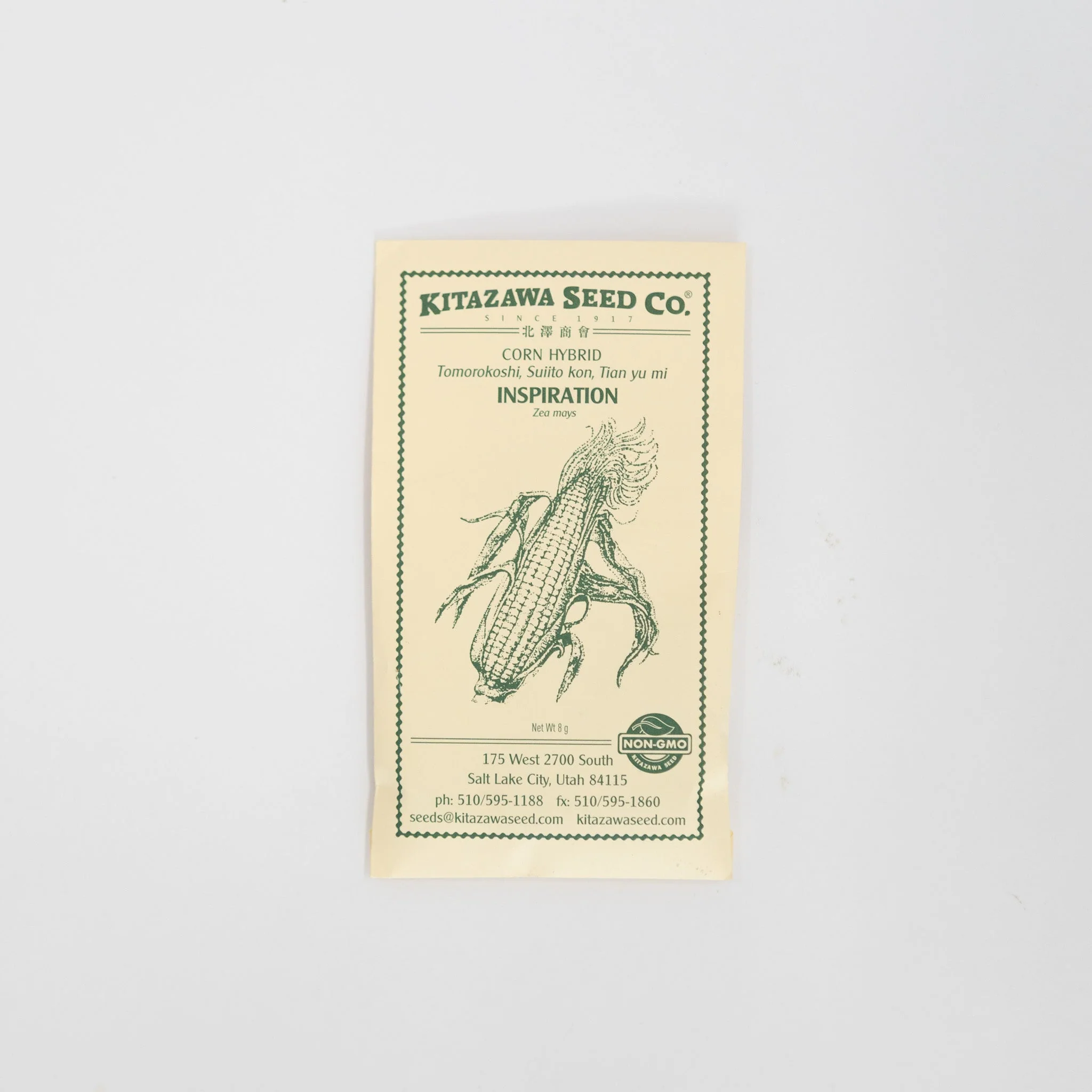
Inspiration Corn:a A vibrant ornamental variety known for its multicolored kernels in rich jewel tones, often used for decoration or milling. It grows best in full sun with warm temperatures and well-drained soil, planted in blocks to support proper pollination. Allow ears to mature and dry fully on the stalk before harvesting to preserve their color and structure.
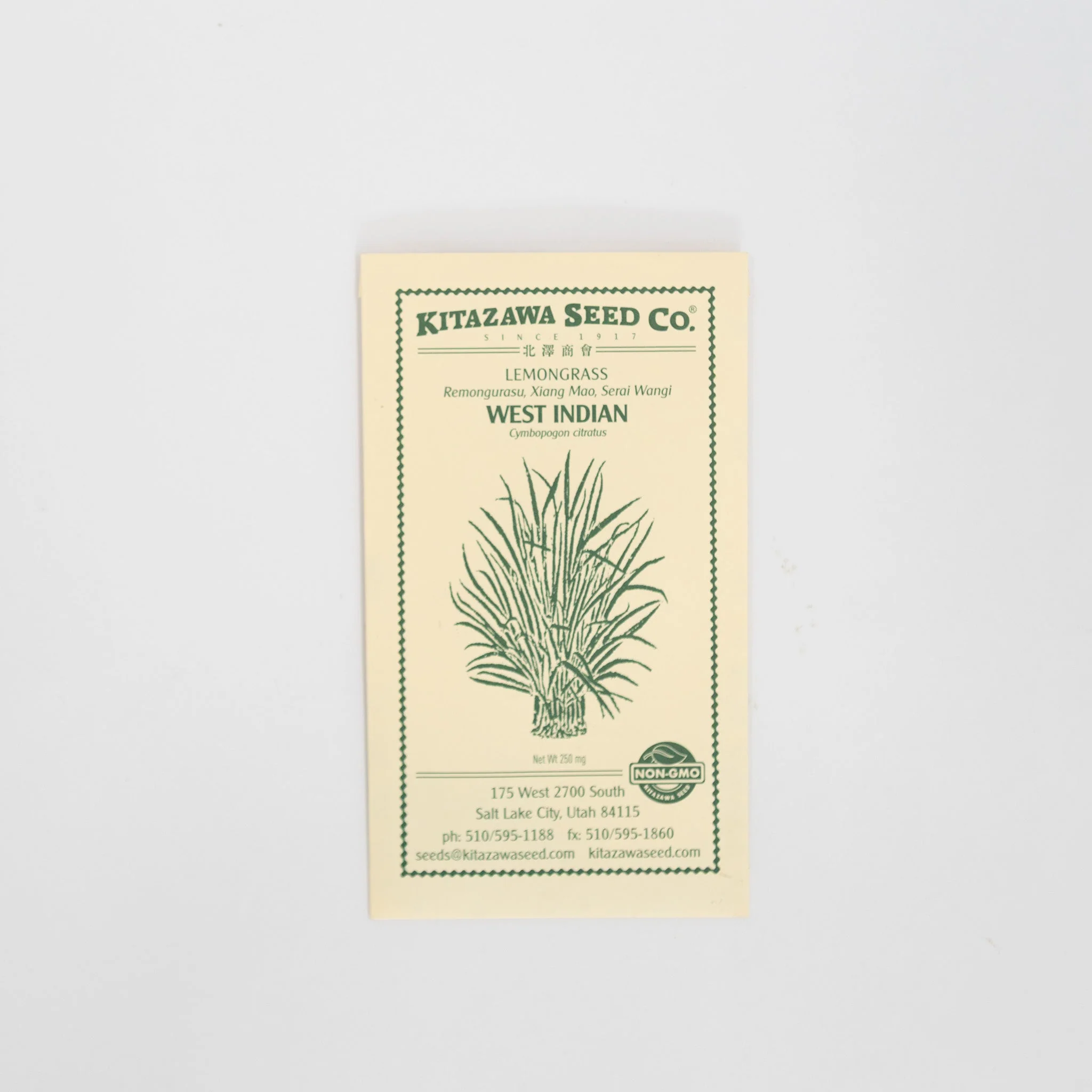
Lemongrass (West Indian): a fragrant tropical grass prized for its bright citrus aroma and use in cooking and tea. It thrives in full sun and warm conditions, growing best in rich, well-drained soil with regular watering. Harvest by cutting mature stalks at the base, encouraging fresh, tender growth.
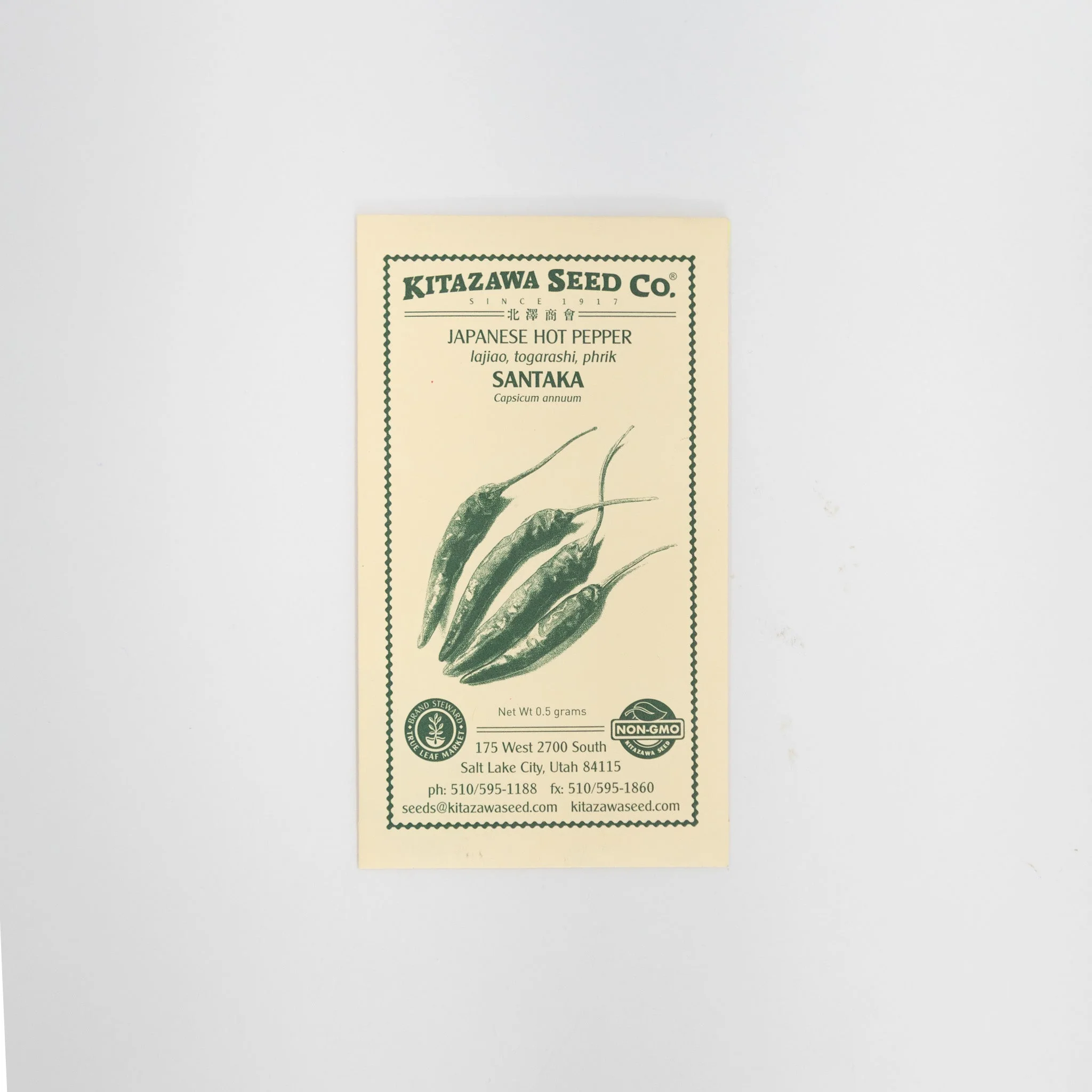
Sanataka Chili:a traditional Japanese pepper known for its slender, bright red pods and clean, sharp heat. It thrives in full sun and warm conditions, growing best in well-drained soil with consistent moisture. Harvest when fully red for peak flavor and dry easily for long-term use.
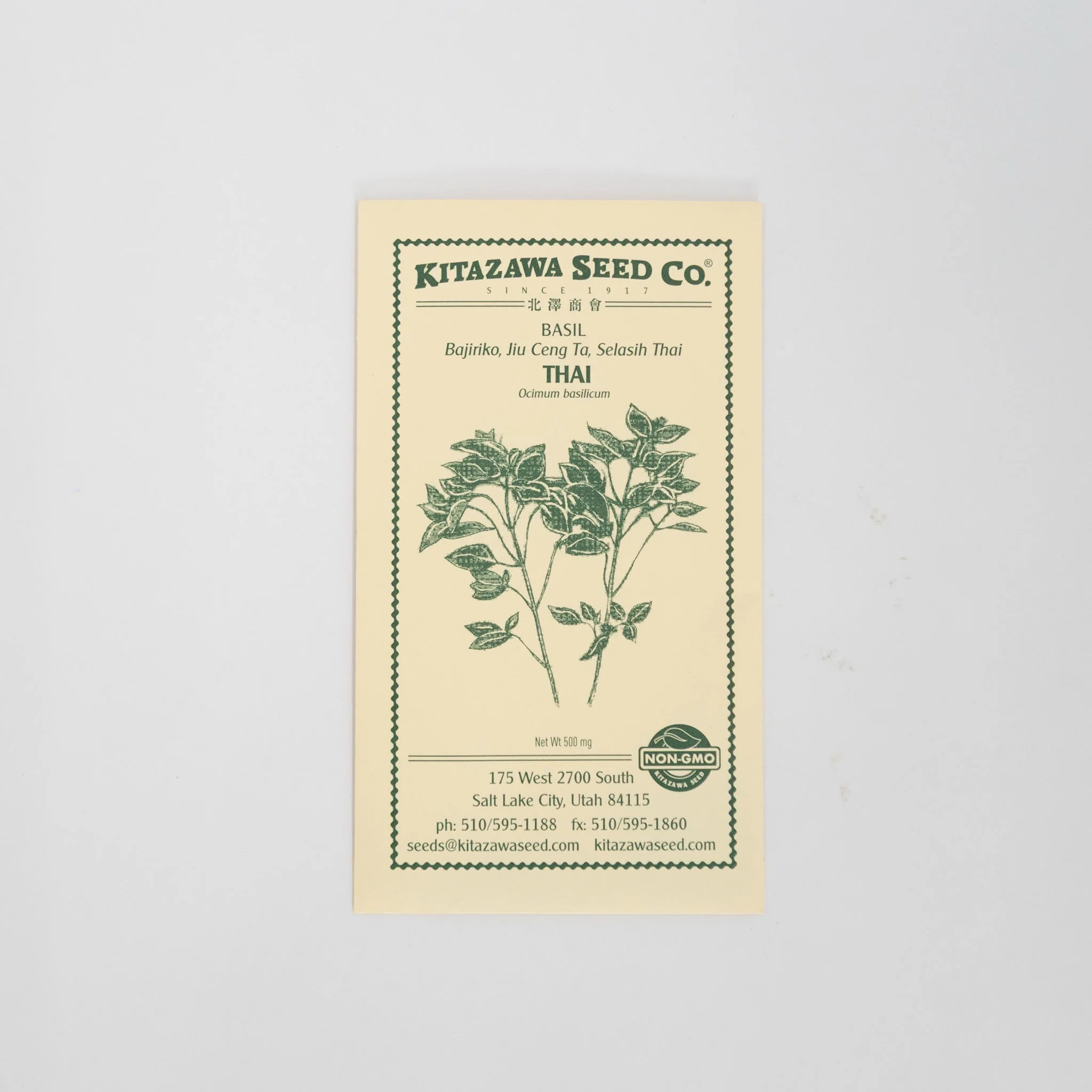
Thai Basil: A fragrant herb with purple stems and anise-like notes, essential in Southeast Asian cooking. It thrives in full sun and warm conditions, growing best in well-drained soil with regular watering. Harvest frequently to encourage bushy growth and delay flowering.
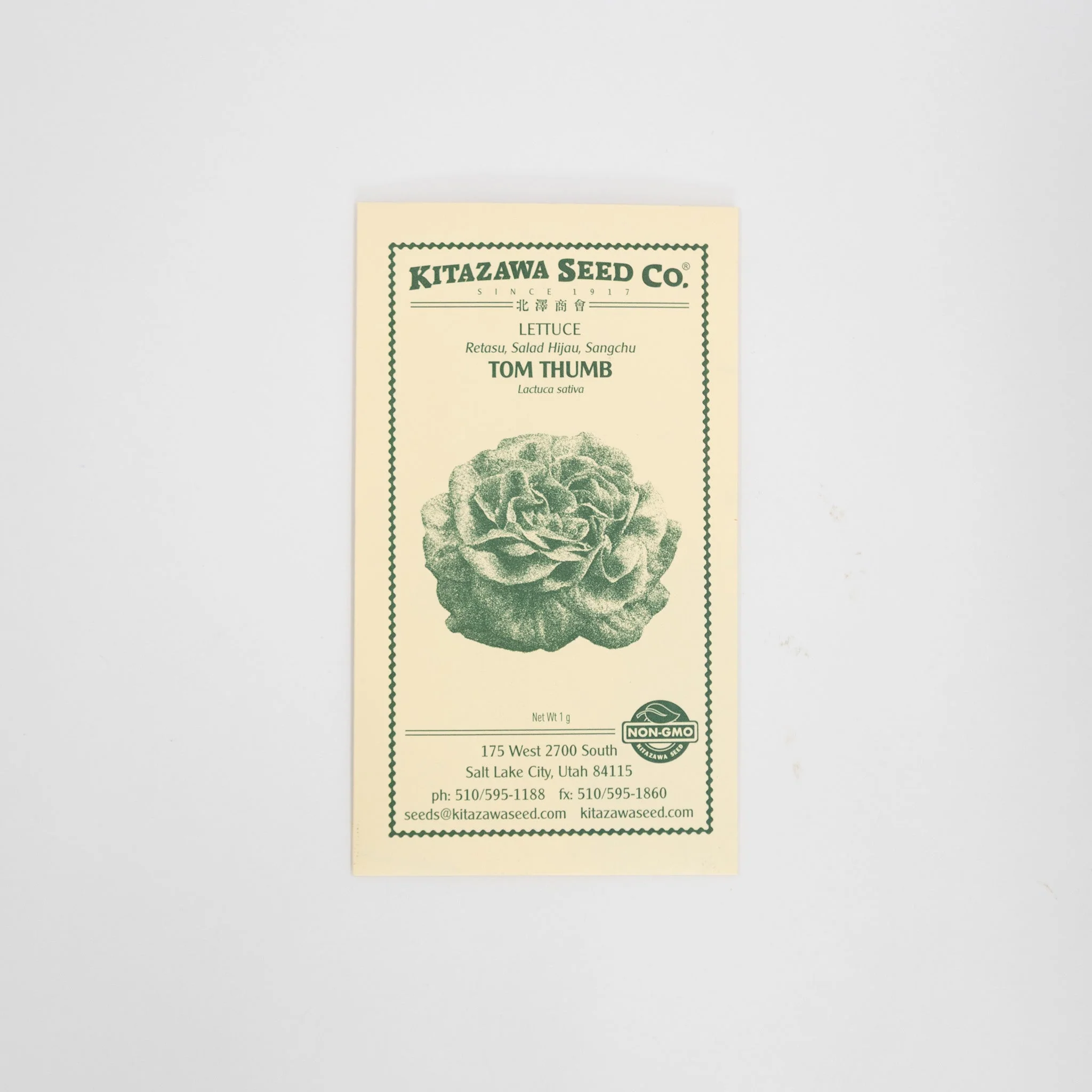
Tom Thumb Lettuce: A compact heirloom butterhead variety that forms small, tender heads with soft, sweet leaves. It grows best in cool weather with partial to full sun and well-drained, fertile soil kept consistently moist. Harvest whole heads early for peak tenderness, or pick outer leaves to extend the season.
History:
Kitazawa Seed Company was started by two brothers as a seed and nursery business in 1917. The brothers traveled throughout California selling vegetable seeds to Japanese American farmers who were farming California's most rural and remote areas, selling mainstream American crops alongside Japanese heritage vegetables.
Each variety comes in a 5" x 3" manila envelope with varying numbers of seeds.
Care Instructions:
Specific planting and care instructions for each plant is included with each purchase.
Details & Craftsmanship
Every detail has been carefully considered to bring you the perfect product.
Details & Craftsmanship
Every detail has been carefully considered to bring you the perfect product.
Details & Craftsmanship
Every detail has been carefully considered to bring you the perfect product.
Details & Craftsmanship
Every detail has been carefully considered to bring you the perfect product.
Details & Craftsmanship
Every detail has been carefully considered to bring you the perfect product.
Details & Craftsmanship
Every detail has been carefully considered to bring you the perfect product.
Details & Craftsmanship
Every detail has been carefully considered to bring you the perfect product.
Details & Craftsmanship
Every detail has been carefully considered to bring you the perfect product.
Details & Craftsmanship
Every detail has been carefully considered to bring you the perfect product.
Details & Craftsmanship
Every detail has been carefully considered to bring you the perfect product.
Details & Craftsmanship
Every detail has been carefully considered to bring you the perfect product.
Details & Craftsmanship
Every detail has been carefully considered to bring you the perfect product.
Details & Craftsmanship
Every detail has been carefully considered to bring you the perfect product.
Details & Craftsmanship
Every detail has been carefully considered to bring you the perfect product.
Details & Craftsmanship
Every detail has been carefully considered to bring you the perfect product.
Details & Craftsmanship
Every detail has been carefully considered to bring you the perfect product.
Details & Craftsmanship
Every detail has been carefully considered to bring you the perfect product.
Details & Craftsmanship
Every detail has been carefully considered to bring you the perfect product.
Details & Craftsmanship
Every detail has been carefully considered to bring you the perfect product.
Details & Craftsmanship
Every detail has been carefully considered to bring you the perfect product.
Details & Craftsmanship
Every detail has been carefully considered to bring you the perfect product.
Details & Craftsmanship
Every detail has been carefully considered to bring you the perfect product.
Details & Craftsmanship
Every detail has been carefully considered to bring you the perfect product.
Details & Craftsmanship
Every detail has been carefully considered to bring you the perfect product.
Details & Craftsmanship
Every detail has been carefully considered to bring you the perfect product.
Details & Craftsmanship
Every detail has been carefully considered to bring you the perfect product.
Details & Craftsmanship
Every detail has been carefully considered to bring you the perfect product.
Details & Craftsmanship
Every detail has been carefully considered to bring you the perfect product.
Details & Craftsmanship
Every detail has been carefully considered to bring you the perfect product.
Details & Craftsmanship
Every detail has been carefully considered to bring you the perfect product.
Details & Craftsmanship
Every detail has been carefully considered to bring you the perfect product.
Details & Craftsmanship
Every detail has been carefully considered to bring you the perfect product.
Details & Craftsmanship
Every detail has been carefully considered to bring you the perfect product.
Description
Kitazawa Seeds started as a family business serving Japanese immigrants farming in California. The entire seed line celebrates Japanese heritage, with staple Japanese cuisine herbs and vegetables and traditional packaging. See below for more information about specific vegetables and planting instructions.
Variation:
Shiro Goma White Sesame: Flavorful seeds - easy to grow in warm weather with a long growing season after indoor germination.
Kurume Long Nasu Eggplant: Shiny, black eggplant with mild, delicate flavor - germinate indoors and transplant to soil above 70 degrees in a warm, sunny location.
Mitsuba Parsley: Long stalks with aromatic, trefoil leaves - grows best in moist, shaded areas and mild climates.
Aka Shiso: Herb with refreshing, aromatic red frilled leaves - sow in spring/summer in a warm, sunny location - heat tolerant and prefers full sun!
Ohba Shiso: Refreshing traditional Japanese herb that are used in sushi wrap, tempura, and salad mix.
Nira Broad Leaved Leek: Leeks with green, broad, thick leaves and garlic-onion flavor - tolerant to both heat and cold, can thrive in a variety of climates.
Komatsuna: Leafy green with a mild flavor that resembles spinach - prefers mild and cool temperatures.
Shishito Pepper: Small, sweet, thin-walled glossy green pepper - transplant from indoor germination in warm and sunny locations.
Mino Early Daikon Radish: White, crisp root with mild pungency - sow seeds in late spring through summer in warm, sunny location.
Momotaro Tomato: Deliciously sweet - germinate inside and transplant in late spring/summer in warm and sunny location.
Kuro Goma Black Sesame: Flavorful, black seeds - grows best in hot weather after indoor germination.
Kyoto Red Carrot: Sweet and tender carrots with a dark red color - sow seeds in late summer/early fall.
Takanotsume Red Pepper: Talon shaped very hot specialty pepper - germinate indoors and transplant in late spring/summer in warm and sunny locations.
Giant Hozuki: Poha Berry that is very popular in Hawaii, fuzzy leaved bush that produces 1” berries with smooth, waxy orange skin and tangy pineapple/strawberry flavor - germinate indoors and plant in a warm, sunny location in late spring.
Kamo Japanese Eggplant: Purple-black, round eggplant with dense flesh and rich flavor - germinate seeds inside and transplant in late spring when temperatures stay above 60 degrees.
Leisure Cilantro: Aromatic, zesty herb - prefers cool temperatures.
Kogiku Kabocha Squash: Large Japanese pumpkin - sow seeds in late spring/early summer in warm, sunny locations.
Housaku Hybrid Cucumber: Very productive cucumber with dark green coloring and good flavor - sow seeds in late spring/early summer in a warm, sunny location.
Katana Tomato:Consistent producer of uniform, firm beefsteaks - germinate indoors and transplant in late spring/summer in a warm and sunny location.
Fushimi Sweet Pepper:Traditional Japanese pepper that is slender, thin-skinned, and glossy bright green - germinate indoors and transplant in late spring/summer in a warm and sunny location.
Blue Kuri:Heirloom Japanese kaboch squash. A globe shaped squash that matures to 2-3 lbs and 6-8 in in diameter. Sow seeds in late spring/summer afte last frost in a sunny location. Leave in sun for a few days after harvest for curing, then store.
Palace Pride Japanese Cucumber:Up to 10 inch long cucumbers with glassy dark green skin and defined ridges. Yields a crisp flesh, small seed cavity and a sweet flavor. Use fertile well drained soil in a warm sunny location. A trellis can improve air circulation and help produce straighter fruits.
Konasu Eggplant:A tiny bite sized rounded eggplant with shiny dark purple skin and white flesh beneath. Staret seed 6 weeks before last frost. Keep soil warm (75-80) until seedlings emerge.
Japanese Pepper Manganji:A specialty vegetable from Kyoto, Japan. This Japanese pepper has a thicker wall than the fushimi and shishito peppers. Fruits average 6 inches long with a mild flavor/not spicy. The pepper skin is shiny with wrinkles toward the end of stem. Start seed 6 weeks before last frost or 8 weeks before expected transplant. Keep soil warm for germination.
Clemenson Spineless Okra:A classic heirloom variety known for its tender, ribbed green pods and smooth, spineless stems that make harvesting easy. It thrives in full sun and warm soil, growing quickly in well-drained, fertile ground with consistent moisture. Harvest pods at 3–4 inches long to keep them tender and encourage continuous production.
Inspiration Corn:a A vibrant ornamental variety known for its multicolored kernels in rich jewel tones, often used for decoration or milling. It grows best in full sun with warm temperatures and well-drained soil, planted in blocks to support proper pollination. Allow ears to mature and dry fully on the stalk before harvesting to preserve their color and structure.
Lemongrass (West Indian): a fragrant tropical grass prized for its bright citrus aroma and use in cooking and tea. It thrives in full sun and warm conditions, growing best in rich, well-drained soil with regular watering. Harvest by cutting mature stalks at the base, encouraging fresh, tender growth.
Sanataka Chili:a traditional Japanese pepper known for its slender, bright red pods and clean, sharp heat. It thrives in full sun and warm conditions, growing best in well-drained soil with consistent moisture. Harvest when fully red for peak flavor and dry easily for long-term use.
Thai Basil: A fragrant herb with purple stems and anise-like notes, essential in Southeast Asian cooking. It thrives in full sun and warm conditions, growing best in well-drained soil with regular watering. Harvest frequently to encourage bushy growth and delay flowering.
Tom Thumb Lettuce: A compact heirloom butterhead variety that forms small, tender heads with soft, sweet leaves. It grows best in cool weather with partial to full sun and well-drained, fertile soil kept consistently moist. Harvest whole heads early for peak tenderness, or pick outer leaves to extend the season.
History:
Kitazawa Seed Company was started by two brothers as a seed and nursery business in 1917. The brothers traveled throughout California selling vegetable seeds to Japanese American farmers who were farming California's most rural and remote areas, selling mainstream American crops alongside Japanese heritage vegetables.
Each variety comes in a 5" x 3" manila envelope with varying numbers of seeds.
Care Instructions:
Specific planting and care instructions for each plant is included with each purchase.